
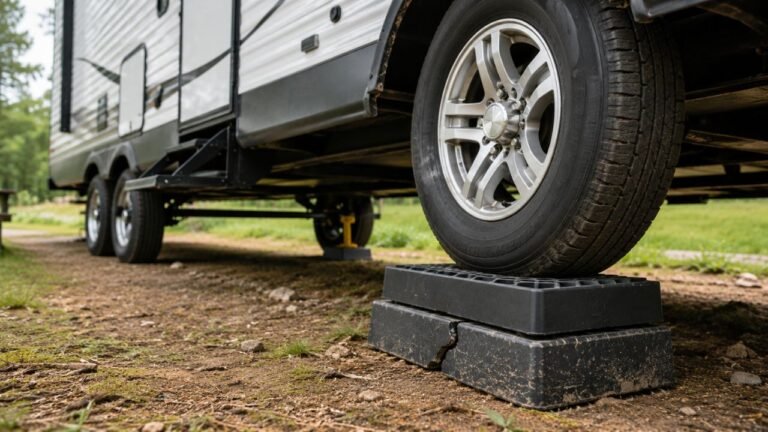
Leveling blocks usually crack because the RV’s weight gets concentrated on a small, unsupported area. Uneven gravel, poor stacking, edge-loaded tires, overloaded blocks, cold temperatures, and aging...
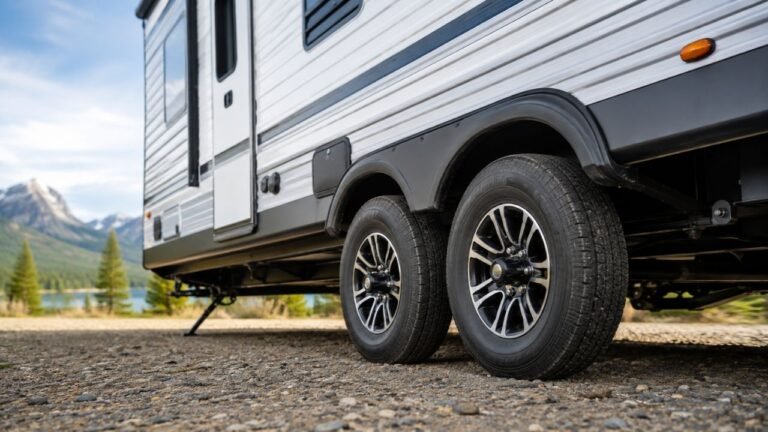
One trailer brake is hotter than the others because that wheel is usually creating extra friction. Common causes include an over-adjusted brake, binding brake hardware, a failing bearing, or an...
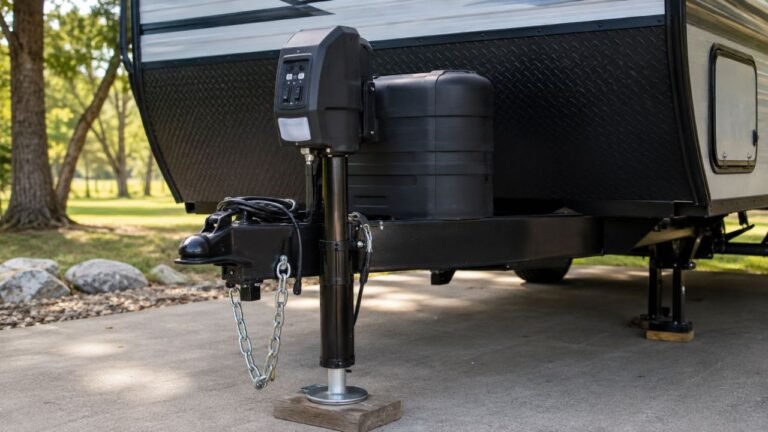
Your electric trailer jack usually clicks without moving because it receives enough power to activate the switch or relay, but not enough current to turn the motor. A weak battery, poor ground...
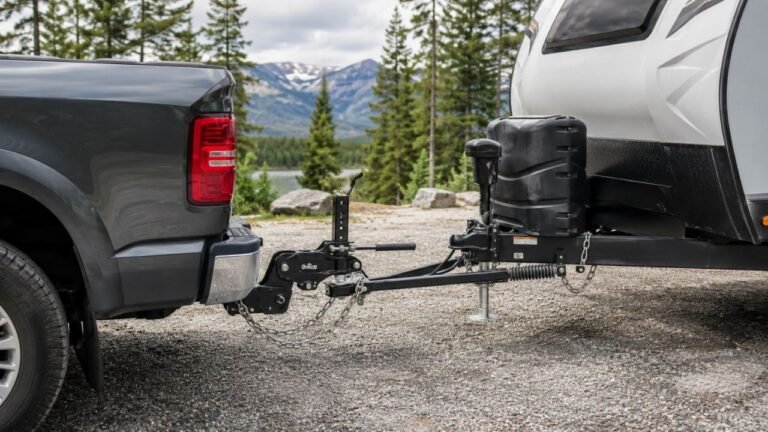
A weight distribution hitch makes noise because its spring bars, brackets, hitch head, ball, and coupler move under heavy pressure. Groaning and creaking during turns are often normal, especially when...
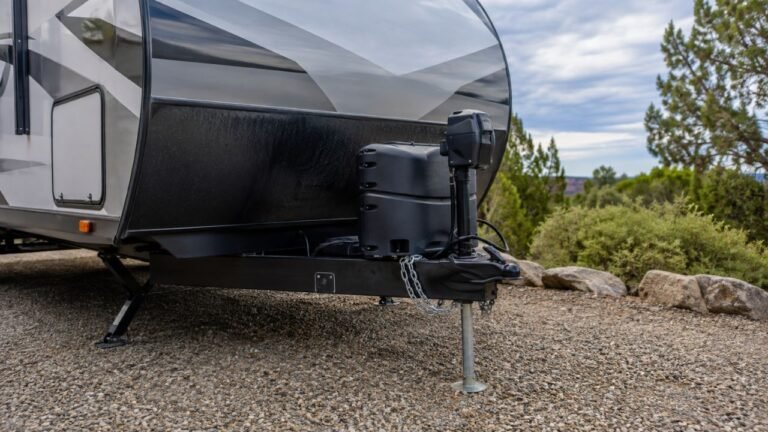
Your electric trailer jack may stop working because of a weak battery, blown fuse, poor ground, damaged wiring, faulty switch, excessive load, or jammed internal gears. Start with the battery and fuse...
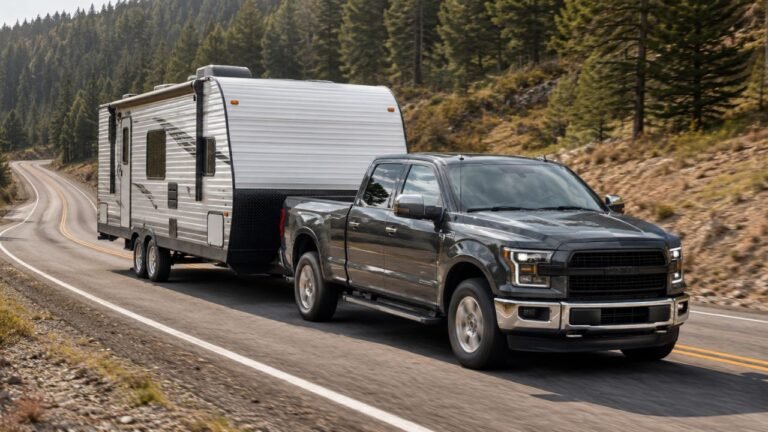
A trailer usually pushes your truck because its brakes are weak, delayed, disconnected, or incorrectly adjusted. Excessive trailer weight, poor cargo placement, hard braking, and steep downhill roads...
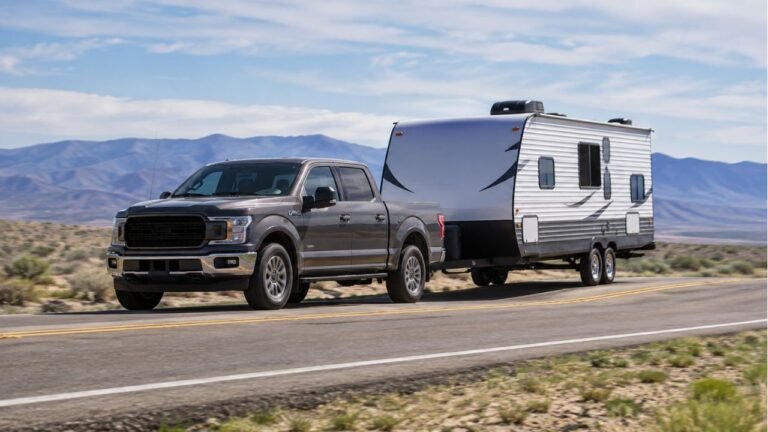
A trailer usually bounces while towing because its tongue weight, cargo balance, tire pressure, hitch height, or suspension setup is incorrect. Empty trailers also bounce more because their stiff...
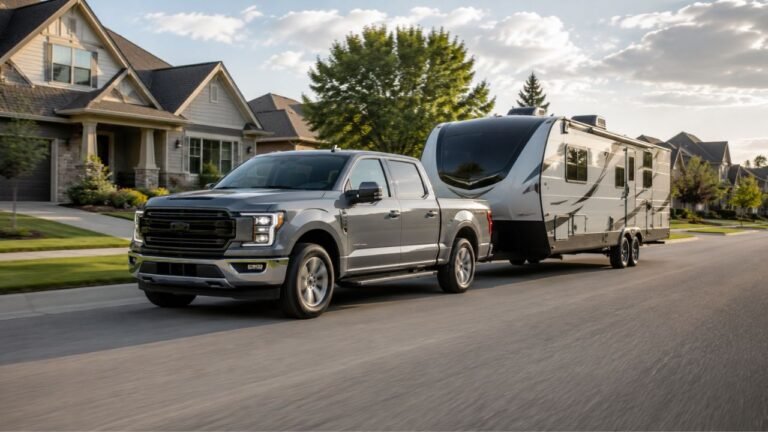
Your trailer may sway at highway speed because of low tongue weight, rear-heavy cargo, excessive speed, crosswinds, tire problems, or an incorrectly adjusted hitch. These problems let small sideways...
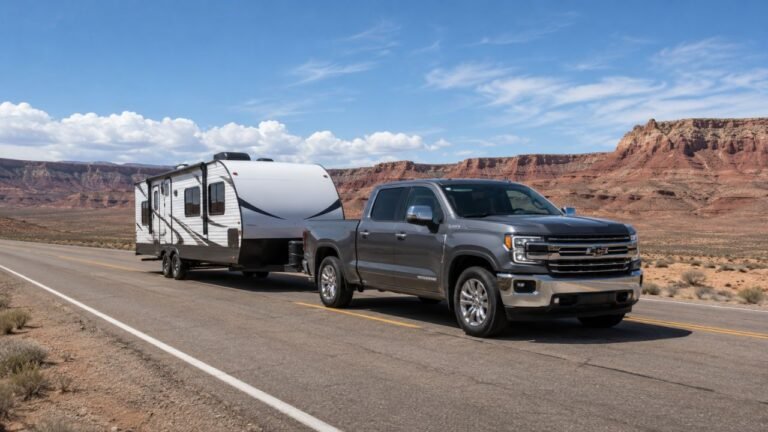
Your trailer is likely towing nose low because the hitch ball sits too low, the tow vehicle squats under tongue weight, cargo is loaded too far forward, or the weight-distribution hitch needs...