
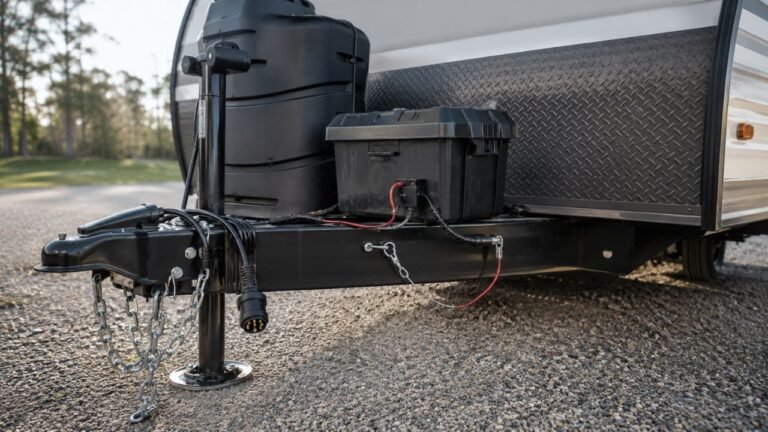
Your breakaway battery may not be charging because it is not receiving 12-volt power from the tow vehicle, a fuse has blown, the trailer connector is corroded, the ground is poor, wiring is damaged...
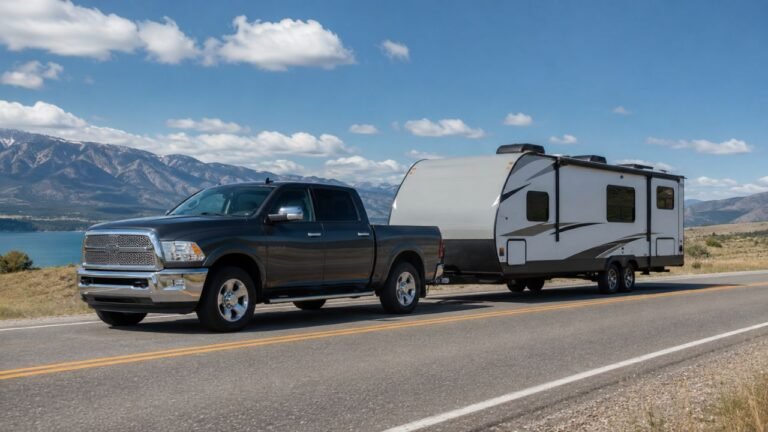
Your trailer is likely towing nose high because the hitch ball sits above the trailer’s loaded coupler height. An incorrect ball mount, rear-heavy cargo, a lifted tow vehicle, or a poorly adjusted...
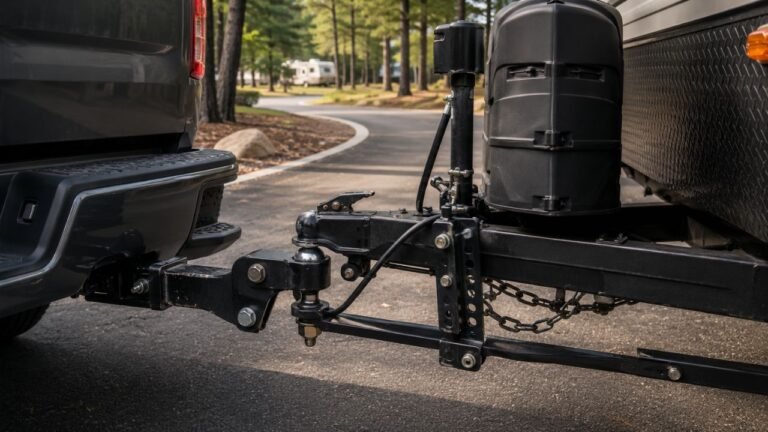
Your hitch usually squeaks when turning because loaded metal surfaces are rubbing together. The most common sources include a dry hitch ball, dirty coupler, weight-distribution spring bars, and...
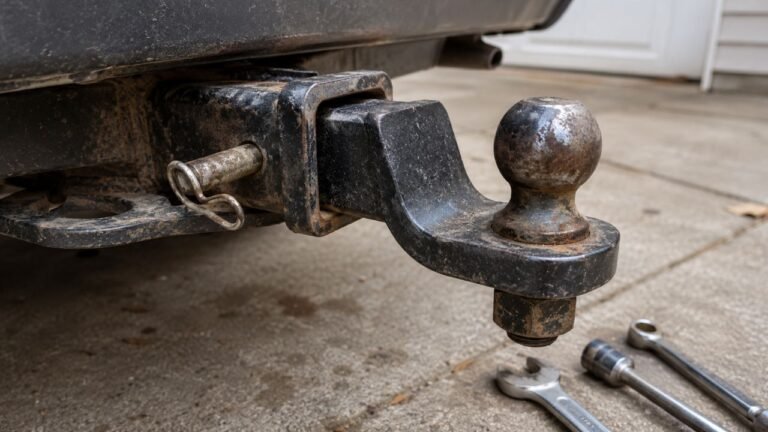
Your hitch pin is probably hard to remove because pressure, rust, dirt, or misaligned receiver holes are trapping it. A locking pin may also stick when moisture or debris jams its internal cylinder...
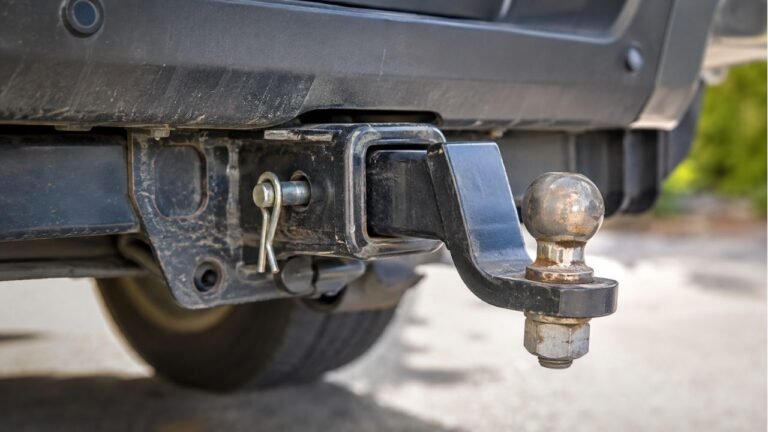
Yes, persistent hitch rattle can gradually damage a receiver. Repeated metal-on-metal movement may wear the receiver tube, hitch shank, pin, and pin holes. However, a small amount of unloaded movement...
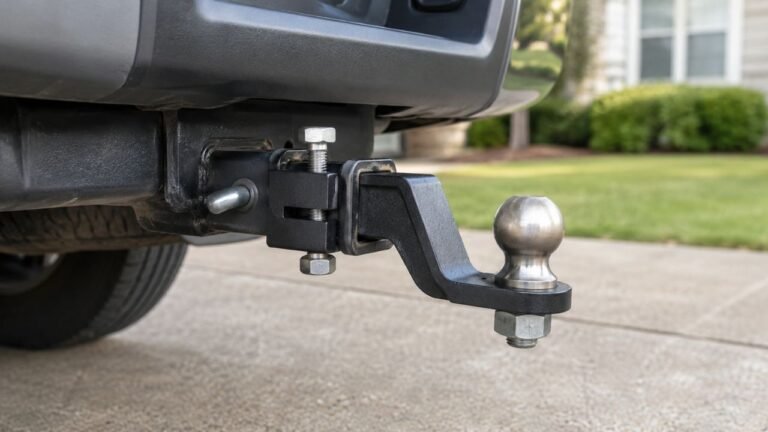
To stop a loose ball mount, install a properly sized hitch tightener or towing-rated anti-rattle pin. If the hitch ball itself moves on the mount, stop towing and tighten its nut to the manufacturer’s...
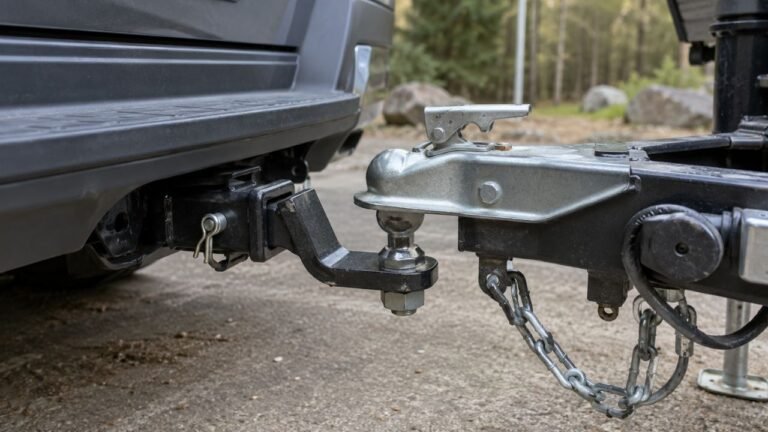
A small amount of hitch play is normal, especially between the ball-mount shank and the receiver tube. Around 1/16 to 1/8 inch of unloaded vertical or sideways movement is commonly seen. However, hard...
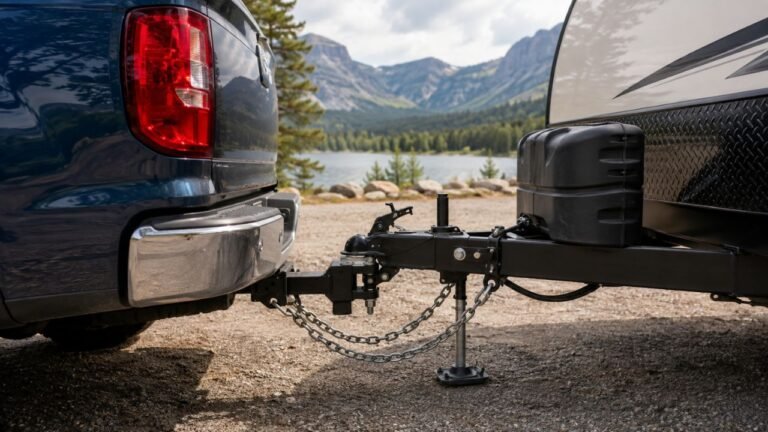
Your hitch usually clunks when stopping because braking pushes the trailer forward, taking up loose space between connected parts. The movement may come from the receiver, ball mount, hitch pin...
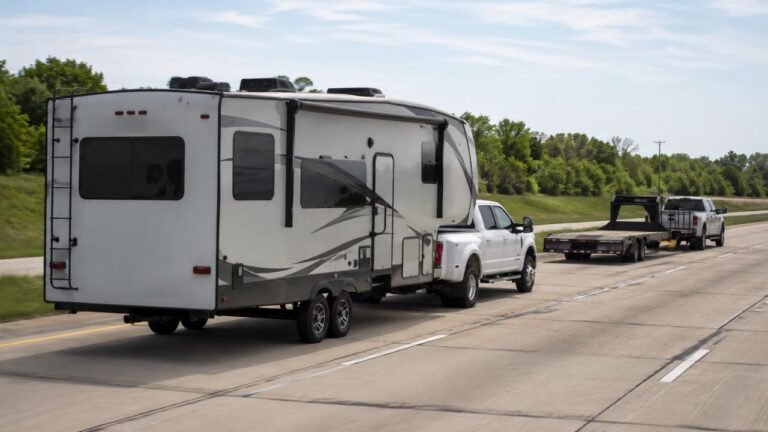
Fifth wheel and gooseneck trailers jerk because towing forces repeatedly move between the truck and trailer. Excessive hitch clearance, uneven roads, incorrect loading, brake imbalance, and worn...
- 1
- 2