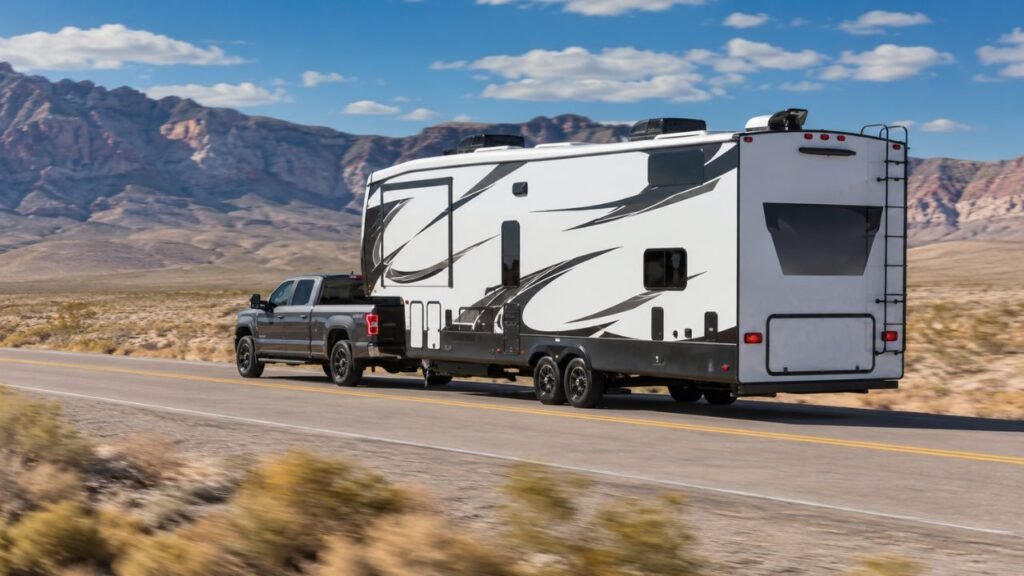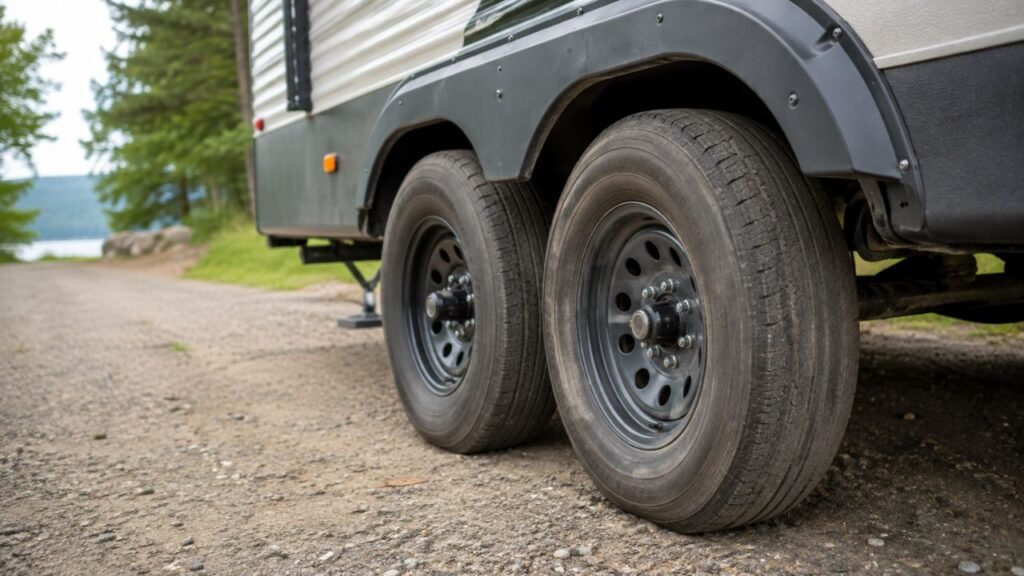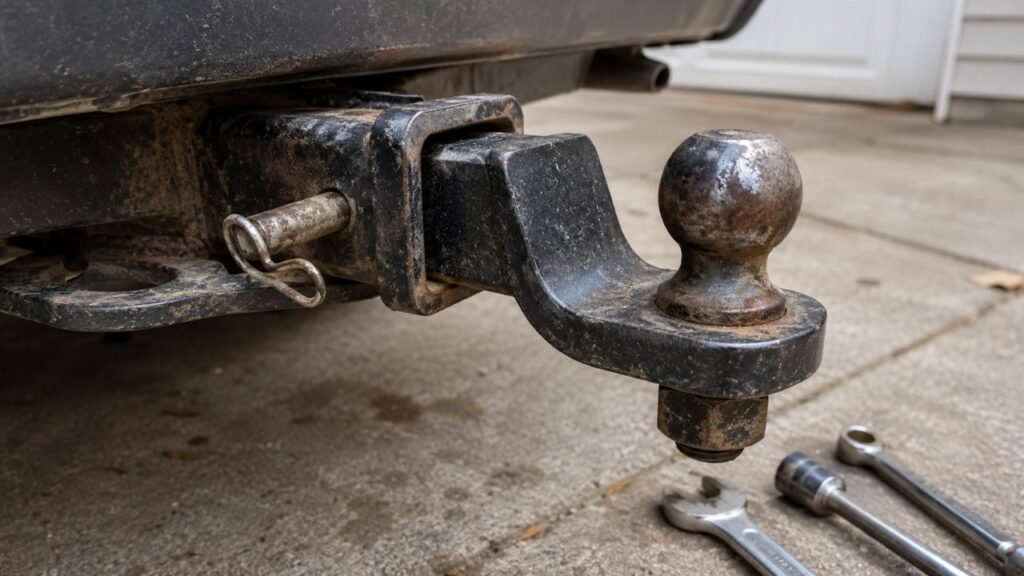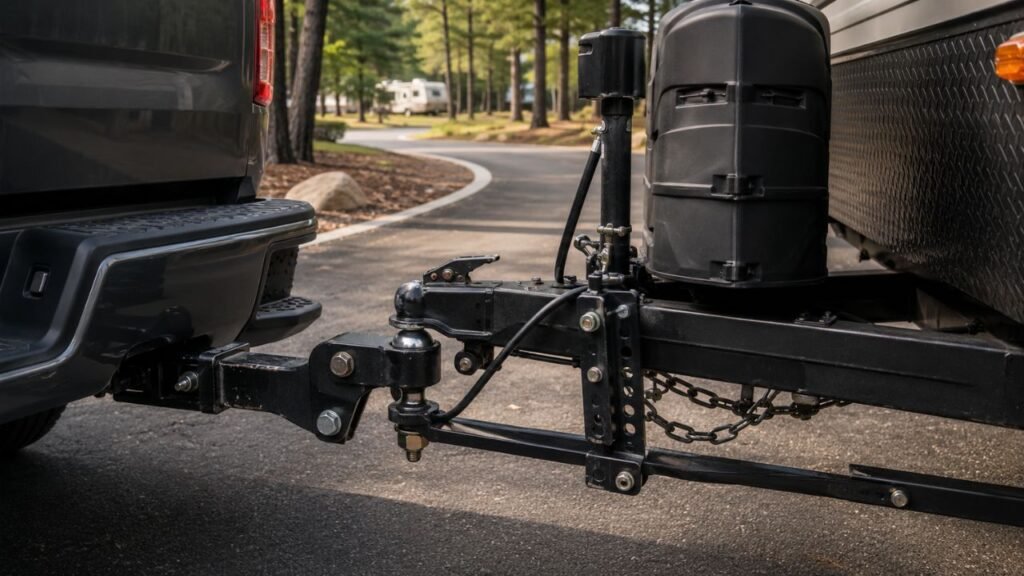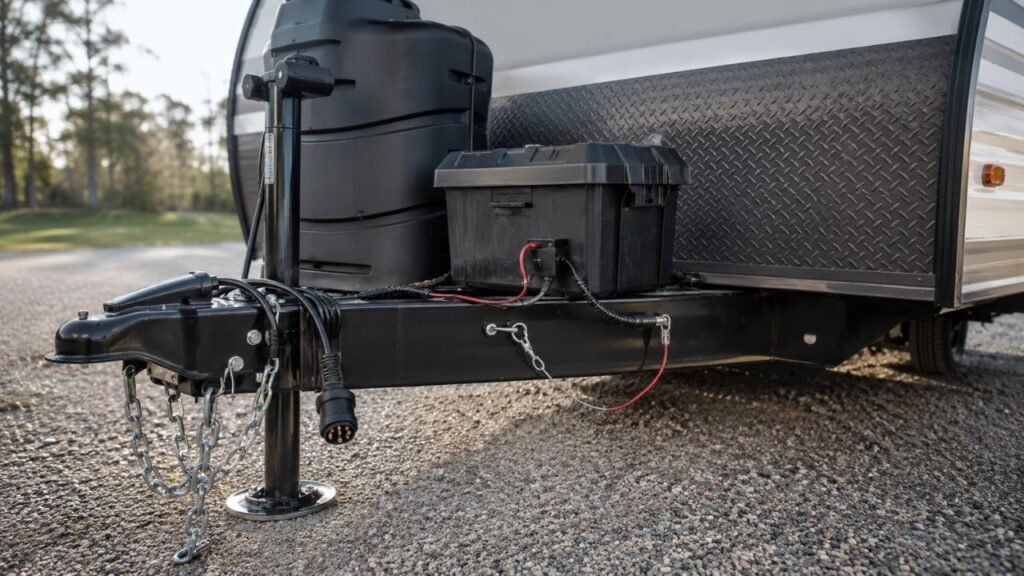
One trailer brake is hotter than the others because that wheel is usually creating extra friction. Common causes include an over-adjusted brake, binding brake hardware, a failing bearing, or an electrical brake fault.
A small temperature difference between trailer wheels can be normal. However, one brake becoming consistently much hotter deserves attention. I’ll walk you through the likely causes, how to separate brake heat from bearing heat, and what to check before towing again.
Key Takeaways
- One hot trailer brake usually indicates a problem at that wheel.
- Over-adjusted brake shoes can constantly rub against the drum.
- Binding springs or brake hardware can prevent complete brake release.
- A tight, dry, or failing wheel bearing can create similar heat.
- Electrical problems can cause uneven electric trailer brake operation.
- Compare temperatures at the same location on every wheel.
- Stop towing if you notice smoke, severe heat, or grinding.
- An infrared thermometer makes wheel temperature comparisons much safer.
Why Is One Trailer Brake Hotter Than the Others?
One trailer brake becomes hotter when that wheel produces more friction than the others. The source can be the braking system, wheel bearing, or occasionally the brake wiring.
Trailer brakes naturally create heat whenever you slow the trailer. That heat should normally develop in a reasonably similar pattern across brakes doing similar work.
If three drums feel moderately warm while one becomes extremely hot, something has changed at that wheel.
The key semantic relationship is simple:
Excessive friction creates excessive heat.
Your goal is therefore to find what is creating that additional friction.
Do not immediately assume the brake shoes are responsible. A wheel bearing sits inside the same hub assembly. Bearing heat can transfer through the hub and make the brake drum feel unusually hot.
Common Causes of One Trailer Brake Getting Hot
Several problems can make one trailer wheel run hotter. Start with the simplest mechanical causes before assuming an electrical failure.
Brake Shoes Are Adjusted Too Tight
Over-adjusted brake shoes are one of the first things I would check.
Drum brake shoes need a small amount of clearance. If one brake is adjusted too tightly, the shoes can continuously touch the drum while the trailer moves.
Constant contact creates friction. Friction then creates heat.
You may notice this problem shortly after:
- Adjusting trailer brakes
- Installing new brake assemblies
- Replacing brake shoes
- Servicing the hub
- Working on a self-adjusting brake
A slight brushing sound while spinning some drum brake assemblies can be normal. Heavy resistance is not.
The wheel should not feel like the brake is constantly trying to stop it.
Brake Shoes or Hardware Are Sticking
Brake adjustment can be correct while the internal hardware still binds.
Electric drum brakes rely on several moving components. Springs return the shoes after braking. Adjusters maintain proper shoe clearance.
Rust, damaged springs, bent components, contamination, or worn pivot points can interfere with that movement.
The relationship is straightforward:
Binding brake hardware prevents complete release.
A partially applied brake then rubs against the drum while driving.
This problem can become worse as everything heats and expands.
You might therefore find that the wheel spins reasonably well when cold but becomes difficult to rotate after towing.
Electric Brake Magnet Is Not Operating Correctly
Electric trailer brakes use an electromagnet to begin the braking action.
When electricity reaches the magnet, it contacts the rotating drum surface. That movement operates a lever that pushes the brake shoes outward.
A worn magnet, damaged magnet surface, bent actuating arm, or binding hardware can interfere with normal operation.
The magnet itself does not usually stay engaged simply because electricity stops. The complete mechanical assembly must also release properly.
If one electric brake gets unusually hot, inspect the magnet along with:
- Magnet face
- Wiring
- Actuating arm
- Return springs
- Brake shoes
- Drum surface
Do not replace the magnet automatically. Confirm the actual source first.
Wheel Bearing Adjustment Is Too Tight
A brake problem is not always causing your hot wheel.
An excessively tight wheel bearing adjustment creates extra rolling resistance. That resistance generates heat directly inside the hub.
This is especially worth checking after recent bearing service.
Trailer hubs commonly use tapered roller bearings. Their adjustment must follow the axle or hub manufacturer’s procedure.
Simply tightening the spindle nut as much as possible is not correct.
Excessive bearing preload can damage:
- Bearings
- Bearing races
- Hub
- Spindle
- Grease seals
If the center of the hub is noticeably hotter than the surrounding drum, investigate the bearing.
Wheel Bearing Is Dry or Failing
A damaged bearing can produce substantial heat without any brake problem.
Wheel bearings require clean lubrication and correctly installed components.
Heat can increase because of:
- Insufficient grease
- Contaminated grease
- Water intrusion
- Damaged rollers
- Pitted races
- Incorrect bearing adjustment
- Failed grease seals
A failing bearing may also create grinding, rumbling, looseness, or rough rotation.
However, don’t wait for noise.
Some bearing problems become hot before they become obviously noisy.
Brake Drum Is Damaged
A damaged brake drum can create uneven friction.
Common problems include:
- Deep grooves
- Heavy scoring
- Heat damage
- Excessive wear
- Rust buildup
- An irregular braking surface
A damaged drum can prevent smooth shoe contact.
That irregular contact may concentrate friction in certain areas.
After removing the hub, inspect both the braking surface and magnet contact surface.
Replace or service the drum according to its allowable specifications.
Electrical Wiring Is Causing Uneven Braking
Electric trailer brake wiring can create uneven braking behavior.
However, electrical faults need careful diagnosis.
A poor ground or high-resistance connection usually reduces braking force at the affected brake. It does not automatically make that brake stronger.
Uneven electrical performance may result from:
- Damaged wires
- Corroded connections
- Poor splices
- Weak grounds
- Partially shorted magnet wiring
- Different resistance between brake assemblies
- Damaged connectors
For example, weak brakes elsewhere can make the remaining effective brake appear to be doing disproportionate work.
A damaged brake magnet can also draw abnormal current.
If mechanical inspection finds nothing obvious, electrical testing becomes important.
A Hydraulic Caliper Is Sticking
Some trailers use disc brakes rather than electric drum brakes.
On these systems, a sticking caliper can keep one pad pressed against the rotor.
The result is continuous friction and rapid heat buildup.
Possible causes include:
- Sticking caliper piston
- Corroded slide pins
- Restricted hydraulic hose
- Damaged pads
- Contaminated brake components
If your trailer uses hydraulic or electric-over-hydraulic disc brakes, inspect the caliper instead of looking for drum brake shoes.
Brake Heat vs Wheel Bearing Heat
A hot trailer wheel does not automatically mean the brake is faulty. Bearing friction and brake friction can heat many of the same components.
| Symptom | Brake Problem More Likely | Bearing Problem More Likely |
| Outer drum surface is extremely hot | Yes | Possible |
| Hub center is hottest | Possible | Yes |
| Burning brake smell | Yes | Less likely |
| Heavy brake dust | Yes | No |
| Wheel is difficult to rotate | Yes | Yes |
| Grinding or rumbling | Possible | Yes |
| Grease leaking around seal | Unlikely | Yes |
| Wheel has noticeable play | Less likely | Yes |
| Problem started after brake adjustment | Yes | Possible |
| Problem started after bearing service | Possible | Yes |
| Brake hardware shows heat damage | Yes | No |
The location of the heat provides a useful clue, but it does not provide a complete diagnosis.
The brake drum and hub are connected metal components. Heat can easily transfer between them.
Inspect both systems when the cause is unclear.
How Hot Should Trailer Brakes Normally Get?
Trailer brake temperature changes with load, terrain, traffic, braking frequency, brake size, weather, and controller settings. That makes one universal “normal” brake temperature difficult to use.
A heavily loaded trailer traveling downhill can naturally produce much more brake heat than the same trailer cruising on a flat highway.
Stop-and-go traffic also produces considerably more heat.
Instead of focusing entirely on one temperature number, compare all similar brakes under the same conditions.
For example, imagine checking four trailer brakes after the same drive.
If three show similar temperatures but one is dramatically hotter, the difference matters more than the exact number.
Consistency is usually the useful diagnostic clue.
Always measure comparable areas. Checking the center of one hub and the outer drum of another can produce misleading results.
How Much Temperature Difference Between Trailer Brakes Is Normal?
Small temperature differences between trailer brakes can occur normally. A large, repeatable difference suggests uneven braking or mechanical resistance.
There is no single temperature difference that applies to every trailer.
Axle loading, road conditions, brake adjustment, sun exposure, and turning can all affect individual wheel temperatures.
The best approach is to establish a pattern.
Check every wheel after similar driving conditions. Measure the same point on each hub or drum.
If the same wheel repeatedly becomes much hotter, inspect it.
An infrared thermometer makes this process easier.
Avoid judging temperature by placing your hand directly on a brake drum. A severely overheated drum can cause burns before you realize how hot it is.
Signs the Hot Trailer Brake Is Actually Dragging
A dragging brake often produces more than temperature alone. Look for several symptoms together before deciding what failed.
Common signs include:
- One brake drum becomes much hotter than the others.
- You smell overheated brake material near one wheel.
- The wheel becomes difficult to rotate when raised.
- Brake dust builds up around one wheel.
- The trailer feels harder to pull than usual.
- Fuel consumption increases unexpectedly.
- One wheel produces scraping or rubbing sounds.
- The trailer pulls or brakes unevenly.
- The drum shows unusual heat discoloration.
- The wheel becomes tighter after driving.
A dragging brake may remain subtle at first.
That is why comparing wheel temperatures during travel can reveal developing problems earlier.
How to Check Which Trailer Brake Is Overheating
A systematic inspection can help you avoid replacing good parts. Start with temperature comparisons, then move toward mechanical and electrical checks.
Compare Every Wheel Temperature
First, compare all trailer wheel temperatures after towing under the same conditions.
An infrared thermometer works well for this job.
Measure the same location on each wheel.
For example, compare:
- Drum to drum
- Hub center to hub center
- Rotor to rotor
Do not compare different surfaces and assume the readings are equivalent.
If one wheel is consistently much hotter, you have identified where to investigate.
Allow the Assembly to Cool
If the wheel is extremely hot, let it cool naturally before working around it.
Do not grab the hub or drum with your bare hand.
Also avoid pouring cold water onto a severely overheated brake drum.
Rapid cooling can create thermal stress in hot metal components.
Jack Up the Wheel Safely
Park the trailer on firm, level ground whenever possible.
Chock the wheels that remain on the ground.
Use the manufacturer’s recommended lifting point.
Support the trailer correctly before inspecting the wheel.
Never depend only on a jack while working around a raised trailer.
Spin the Wheel by Hand
Once safely raised, rotate the suspicious wheel.
Some electric drum brakes produce slight shoe contact. The wheel may not spin endlessly like an unloaded bicycle wheel.
However, it should rotate without severe binding.
Compare it with another wheel on the trailer if possible.
If one wheel requires noticeably more effort, investigate the brake and bearing assembly.
Check the Brake Adjustment
An over-adjusted drum brake can drag constantly.
Follow the brake manufacturer’s adjustment procedure.
The goal is correct shoe clearance, not maximum looseness.
A brake adjusted too loosely can reduce braking performance. A brake adjusted too tightly can overheat.
The correct adjustment balances both needs.
Inspect the Brake Assembly
If adjustment does not solve the problem, inspect the internal components.
Look for:
- Broken return springs
- Bent hardware
- Uneven shoe wear
- Heavy brake dust
- Scoring
- Heat discoloration
- Contamination
- Worn magnet face
- Binding actuating components
If several components are badly worn, replacing the complete backing plate assembly may sometimes be more practical than rebuilding each part.
Match replacement parts to the axle, brake size, and manufacturer requirements.
Inspect the Wheel Bearings
While the hub is removed, inspect the wheel bearings.
Look for:
- Pitting
- Scoring
- Blue heat discoloration
- Damaged rollers
- Rough races
- Dirty grease
- Water contamination
- Failed seals
Rotate clean bearings by hand during inspection.
A bearing should not feel rough, gritty, or damaged.
Replace the bearing and matching race when required.
Check Wheel Play
Excessive movement can indicate bearing or hub problems.
Hold the wheel securely and check for abnormal looseness.
Remember that correct bearing adjustment varies by axle design.
Follow the axle manufacturer’s procedure rather than guessing spindle nut tightness.
Inspect Brake Wiring and Grounds
If the mechanical system looks healthy, examine the electrical system.
Check:
- Brake magnet wires
- Ground connections
- Frame grounds
- Junctions
- Connectors
- Splices
- Damaged insulation
Electrical testing can also compare voltage and current between brake assemblies.
If you are not comfortable testing trailer brake circuits, this is a good point to involve a qualified trailer technician.
Quick Diagnostic Guide for One Hot Trailer Brake
Use the symptoms below to narrow your inspection before replacing parts.
| What You Notice | Possible Cause | What to Check First |
| Hot after easy highway driving | Brake drag or bearing friction | Wheel rotation |
| Hot immediately after brake service | Brake adjustment | Shoe clearance |
| Hot after bearing service | Bearing adjustment | Bearing and spindle nut |
| Burning brake smell | Dragging shoes or pads | Brake assembly |
| Hub center hottest | Bearing problem | Bearings and races |
| Heavy brake dust | Brake dragging | Shoes and drum |
| Grinding noise | Bearing or brake damage | Hub inspection |
| Wheel tightens as it heats | Binding component | Brake and bearing |
| Grease leaking near seal | Bearing/seal issue | Grease seal and bearing |
| Uneven braking | Adjustment or electrical fault | Brake adjustment and wiring |
| Disc rotor stays hot | Sticking caliper | Caliper and slide pins |
Treat this table as a starting point, not a final diagnosis.
Several faults can create nearly identical symptoms.
How to Fix One Trailer Brake That Keeps Getting Hot
The correct repair depends on what is actually creating friction. Avoid changing several components randomly because that can hide the original problem.
Readjust the Brake Shoes
If the shoes are too tight, adjust them according to the brake manufacturer’s procedure.
After adjustment, rotate the wheel and check resistance again.
Then compare it with the opposite wheel.
Both brakes on the same axle should operate consistently.
Replace Damaged Brake Hardware
Broken or weak return springs can prevent proper shoe release.
Replace worn or damaged components rather than trying to force them back into operation.
Inspect the complete assembly at the same time.
If one component has severe heat damage, nearby components may have experienced the same temperature.
Replace a Damaged Brake Magnet
Replace the magnet if testing or inspection confirms damage.
Common warning signs can include:
- Abnormal wear
- Damaged wiring
- Uneven magnet surface
- Electrical test results outside specifications
Also inspect the drum surface contacted by the magnet.
Installing a new magnet against a badly damaged surface may not solve the underlying problem.
Service or Replace the Wheel Bearings
A damaged bearing should not be reused.
Replace damaged bearings and races as appropriate.
Use the correct grease recommended for the application.
Install a suitable new seal when servicing the hub.
Finally, adjust the bearing according to the axle manufacturer’s instructions.
Correct bearing adjustment is important because both excessive looseness and excessive preload create problems.
Repair Brake Wiring Problems
Repair corroded connections, damaged wires, poor grounds, and unreliable splices.
Trailer brake wiring operates in a harsh environment.
Water, road salt, dirt, vibration, and flexing can damage connections over time.
A clean electrical connection supports consistent brake operation.
Replace a Damaged Drum
A severely scored or damaged drum may need replacement.
Some drums can be machined when they remain within manufacturer specifications.
Others should be replaced.
Do not remove material beyond the allowable diameter or thickness limits.
Service a Sticking Disc Brake Caliper
For disc brake trailers, confirm that the caliper piston and sliding components move correctly.
Inspect:
- Pads
- Rotor
- Caliper piston
- Slide pins
- Hydraulic hose
- Fluid condition
A restricted hose can sometimes prevent pressure from releasing normally.
That leaves the brake partially applied after you release the tow vehicle’s brakes.
Can a Brake Controller Make Only One Trailer Brake Hot?
A brake controller normally commands the trailer braking system as a whole. Therefore, one hot brake usually points toward a problem near that individual wheel.
Excessive controller gain can certainly create excessive brake heat.
However, excessive gain would normally affect multiple functioning trailer brakes rather than only one.
If only one wheel overheats, investigate:
- Brake adjustment
- Mechanical binding
- Magnet condition
- Local wiring
- Ground connection
- Bearing condition
There is one important exception.
If several other brakes are weak because of adjustment or electrical problems, one properly functioning brake may end up doing more noticeable work.
So, inspect the entire braking system when one wheel shows an unusual temperature pattern.
Can a Bad Wheel Bearing Make the Brake Drum Hot?
Yes. A bad wheel bearing can make the brake drum and hub extremely hot.
The bearing sits inside the rotating hub assembly.
When a bearing becomes dry, damaged, contaminated, or overly tight, rolling resistance increases.
That friction produces heat.
Heat then travels through the hub and nearby brake components.
A severely overheated bearing can eventually damage the:
- Hub
- Race
- Spindle
- Grease seal
- Brake components
- Tire
In extreme cases, bearing failure can threaten the wheel’s attachment to the trailer.
Never assume a hot hub is safe because the brakes still appear functional.
Can an Over-Adjusted Trailer Brake Cause Overheating?
Yes. An over-adjusted trailer brake can overheat because the shoes continuously contact the drum.
The relationship is simple:
Reduced brake clearance increases friction.
That friction continues even when you are not actively braking.
You may notice the problem after a brake adjustment or brake replacement.
If a wheel starts running unusually hot immediately after service, checking the adjustment is a sensible first step.
Why Is One Trailer Hub Hot but the Brake Seems Fine?
A hot trailer hub with apparently normal brakes often points toward the wheel bearing.
Possible causes include:
- Incorrect bearing adjustment
- Dry bearing
- Damaged bearing
- Worn race
- Contaminated grease
- Failed grease seal
- Spindle damage
Remember that brake heat can also travel toward the hub center.
For that reason, temperature location provides clues but not absolute proof.
If the hub repeatedly becomes hotter than the others, remove and inspect it before another long towing trip.
Is It Safe to Tow With One Trailer Brake Hot?
You should not continue normal towing when one trailer brake becomes abnormally hot and you do not know why.
Heat is a symptom. Continuing to drive can turn a minor adjustment problem into damaged brakes, bearings, drums, hubs, or tires.
Stop and investigate immediately if you notice:
- Smoke
- Strong burning smell
- Extreme wheel temperature
- Grinding
- Severe wheel drag
- Leaking grease
- Loose wheel movement
- Visible heat damage
A trailer that still feels normal from the driver’s seat can have a serious wheel problem.
Many brake and bearing problems become dangerous before they dramatically change towing behavior.
What Should I Do If One Trailer Wheel Gets Hot While Traveling?
If you discover one hot trailer wheel during a trip, focus on safety first.
- Pull over in a safe location.
- Keep the trailer away from traffic.
- Avoid touching the hot drum or hub.
- Allow the assembly to cool naturally.
- Check for smoke, grease, or visible damage.
- Compare that wheel with the other wheels.
- Check whether the wheel rotates freely when safe.
- Inspect the brake and bearing if overheating was severe.
- Do not continue normal towing with obvious mechanical damage.
- Get professional assistance when the cause remains uncertain.
Do not ignore the problem simply because the wheel cools down.
Cooling removes the heat. It does not remove the fault that created it.
How to Prevent Uneven Trailer Brake Temperatures
Regular maintenance reduces the chances of discovering a dangerously hot wheel during a trip.
You can lower the risk by:
- Inspecting brakes at appropriate service intervals
- Adjusting drum brakes correctly
- Checking brake hardware for corrosion
- Inspecting magnets and wiring
- Maintaining reliable electrical grounds
- Servicing wheel bearings properly
- Using suitable bearing grease
- Replacing damaged grease seals
- Following correct spindle nut procedures
- Checking brake controller settings
- Inspecting tires and wheels before trips
- Comparing hub temperatures during travel stops
I especially like the temperature comparison habit because it takes very little time.
After stopping safely, scan each hub with an infrared thermometer.
You are not looking for identical readings.
You are looking for a wheel behaving very differently from the others.
When Should You Have the Trailer Brake Professionally Inspected?
Some trailer brake problems are straightforward. Others require accurate mechanical or electrical diagnosis.
Consider professional inspection when:
- The same brake repeatedly overheats.
- Adjusting the brake does not solve the problem.
- The wheel becomes difficult to rotate.
- A bearing feels rough or damaged.
- The hub has abnormal looseness.
- The drum has severe heat discoloration.
- Brake wiring tests produce inconsistent readings.
- The brake magnet appears damaged.
- The spindle shows visible wear.
- Grease repeatedly leaks from the hub.
- The wheel overheats again after repairs.
Repeated overheating means the root cause has not been corrected.
Finding that cause is more important than repeatedly adjusting the symptom.
Final Words
One trailer brake running hotter than the others is usually a warning worth investigating. In most cases, the problem comes from extra friction at that particular wheel.
Start by comparing temperatures and checking wheel rotation. Then inspect brake adjustment, brake hardware, bearings, and wiring.
Most importantly, don’t automatically blame the brakes.
A damaged or overly tight wheel bearing can create enough heat to make the entire hub and drum feel like a brake problem.
If the wheel produces smoke, grinding, severe drag, or extreme heat, stop towing until you identify the cause. Fixing a dragging brake early is much easier than repairing a damaged hub, spindle, bearing, tire, or complete wheel assembly later.
Related FAQs
Why Is One Trailer Wheel Hotter Than the Others?
One trailer wheel is usually hotter because it has more friction than the others. Common causes include dragging brakes, incorrect brake adjustment, binding hardware, a tight wheel bearing, or a failing bearing.
Should All Trailer Brake Drums Be the Same Temperature?
Trailer brake drums do not need identical temperatures, but they should generally follow similar patterns under equal conditions. One drum repeatedly becoming much hotter than the others should be inspected.
Can Trailer Brakes Overheat Without Being Applied?
Yes. Trailer brakes can overheat without intentional braking when brake shoes, pads, calipers, or other components fail to release completely. A failing wheel bearing can also create similar heat.
What Causes Electric Trailer Brakes to Drag?
Electric trailer brakes can drag because of overly tight adjustment, damaged return springs, binding shoes, worn hardware, actuator problems, or an issue involving the brake magnet and its mechanism.
Can Too Much Brake Controller Gain Overheat Trailer Brakes?
Yes. Excessive brake controller gain can make trailer brakes apply too aggressively and generate excess heat. However, controller gain usually affects several brakes rather than only one wheel.
How Do I Know If My Trailer Wheel Bearing Is Overheating?
An overheating bearing may cause excessive hub-center heat, rough rotation, grinding, grease leakage, or abnormal wheel play. Comparing the suspicious hub with the other wheels can help identify a developing problem.
Can a Bad Brake Magnet Cause One Wheel to Overheat?
Yes. A damaged brake magnet or binding magnet-actuation mechanism can contribute to uneven braking and overheating. Inspect the magnet, wiring, actuating arm, shoes, and drum together.
Should I Replace Both Trailer Brakes If One Is Bad?
Not always, but both brakes on the same axle should be inspected. If both assemblies have similar age and wear, replacing them as an axle pair can help maintain consistent braking performance.
Why Does My Trailer Brake Get Hot Even on the Highway?
A trailer brake can become hot during steady highway driving if it is dragging continuously. Tight brake adjustment, binding hardware, a sticking caliper, or wheel bearing friction are common causes.
Can a Tight Wheel Bearing Cause a Hot Trailer Hub?
Yes. Excessive bearing preload increases rolling friction inside the hub. That friction creates heat and can eventually damage the bearing, race, hub, seal, or spindle.
Should I Touch a Trailer Hub to Check Its Temperature?
Using your hand is not the safest method because an overheated hub can cause burns. An infrared thermometer lets you compare wheel temperatures without directly touching hot components.
Can I Keep Driving After a Trailer Brake Cools Down?
Cooling alone does not mean the problem is fixed. If one brake became abnormally hot, determine why before continuing normal towing, especially when you noticed smoke, severe drag, grinding, or grease leakage.

Scott Miller shares real-world RV road trip insights built from years of traveling open highways and backroads. He covers route planning, campground choices, and travel gear with a practical mindset. His content is written for RVers who value reliability over trends.