
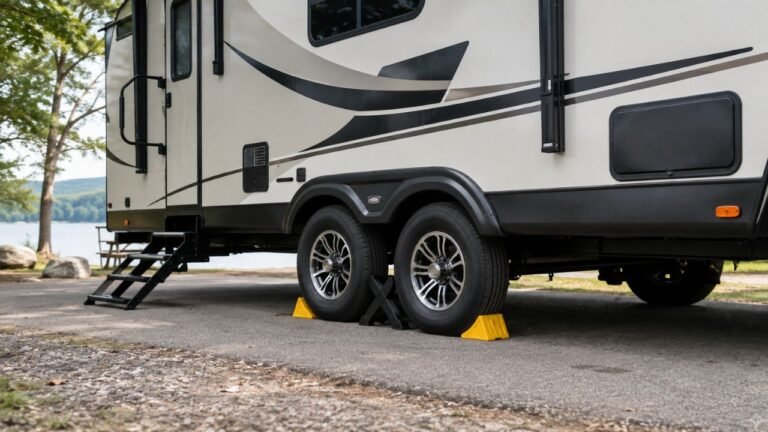
To chock a tandem axle trailer, place one wheel chock firmly in front of the front tire and another behind the rear tire. For better security, repeat this setup on both sides of the trailer. You can...
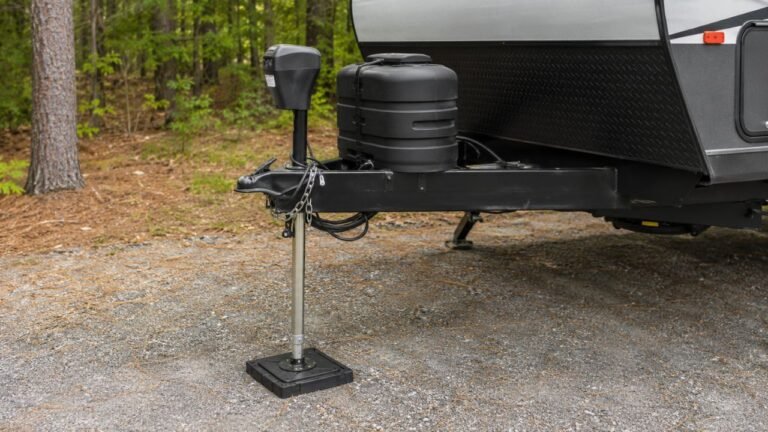
Yes, you can leave an electric trailer jack extended while your trailer is parked and unhitched. The jack is designed to support the trailer’s tongue weight. However, long-term extension can expose...
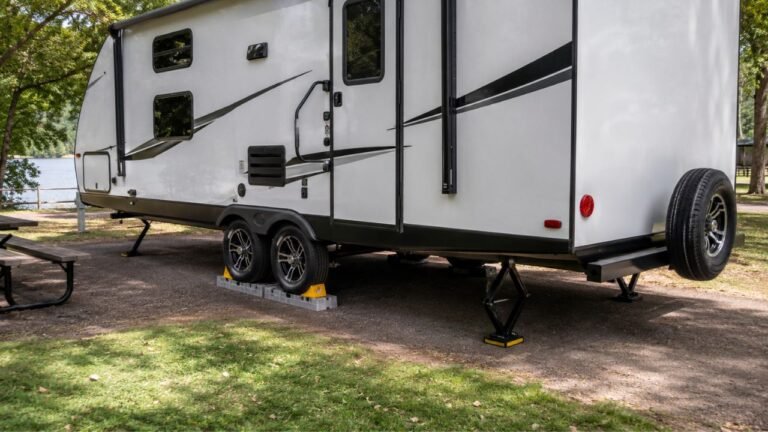
No, standard stabilizer jacks should not be used to level a trailer. They are designed to reduce rocking and movement after the trailer is already level. Using them to raise one side or corner can...
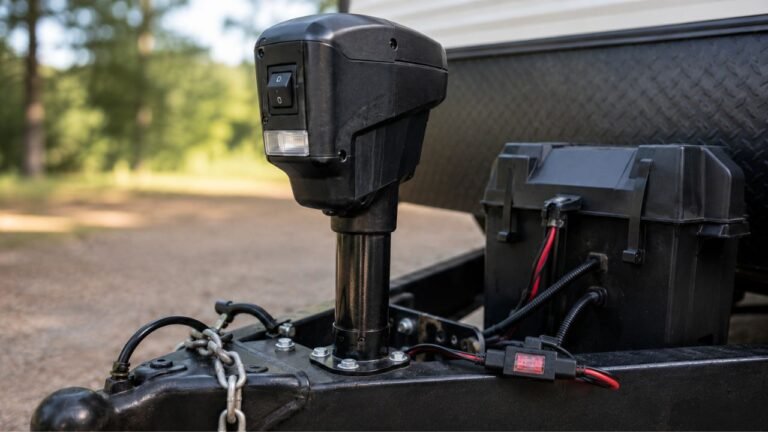
Your trailer jack keeps blowing fuses because the motor is drawing more current than the circuit can safely handle. This usually happens because of a weak battery, poor ground, damaged wiring...
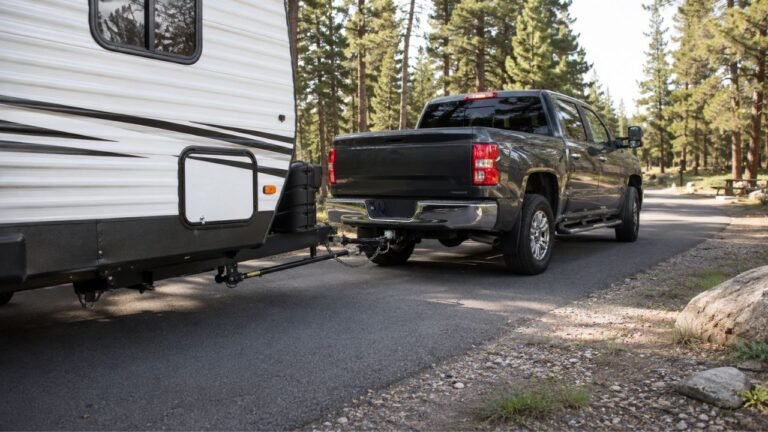
Yes, you can usually back up with weight distribution bars attached. Straight reversing and gentle steering corrections are normally safe. However, sharp turns, steep transitions, and separate...

Your trailer may pull sideways because of uneven loading, incorrect tire pressure, dragging brakes, worn suspension parts, or axle misalignment. Crosswinds and road slope can also push a trailer...
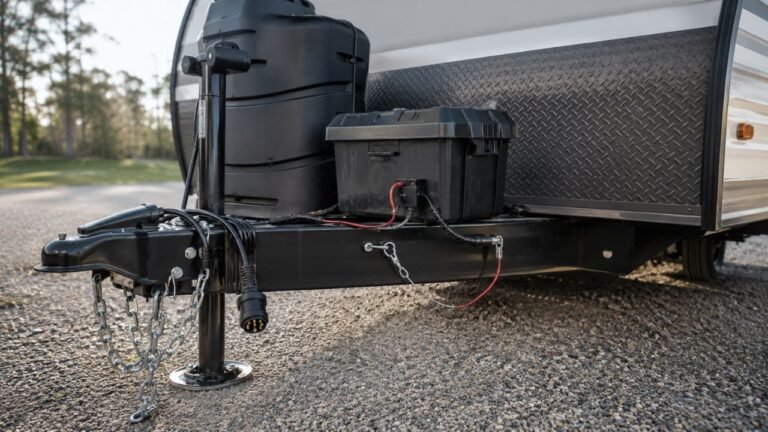
Your breakaway battery may not be charging because it is not receiving 12-volt power from the tow vehicle, a fuse has blown, the trailer connector is corroded, the ground is poor, wiring is damaged...
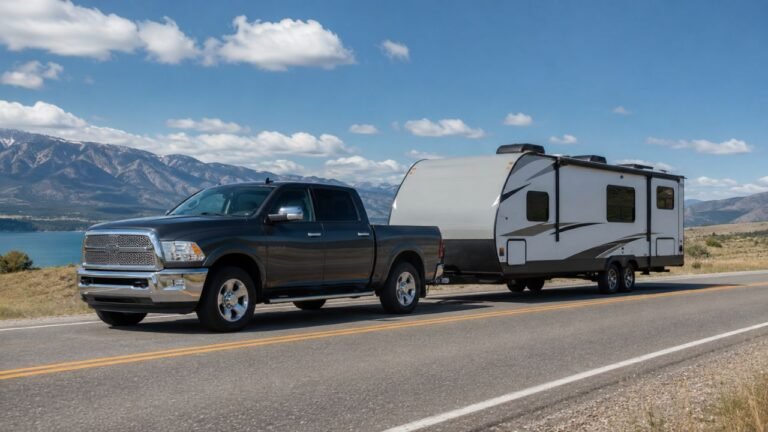
Your trailer is likely towing nose high because the hitch ball sits above the trailer’s loaded coupler height. An incorrect ball mount, rear-heavy cargo, a lifted tow vehicle, or a poorly adjusted...
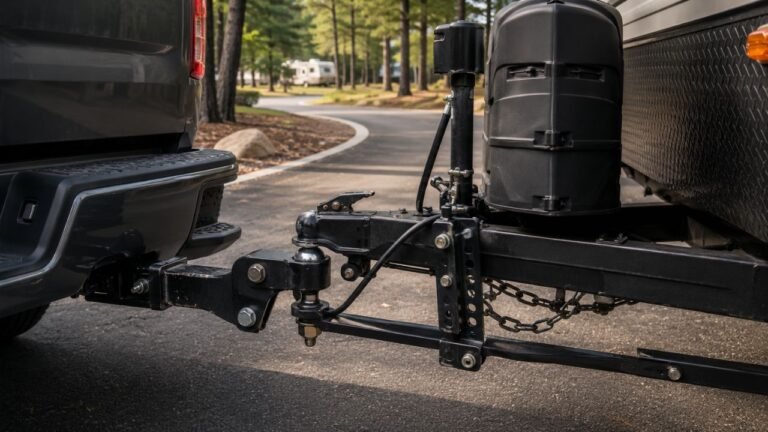
Your hitch usually squeaks when turning because loaded metal surfaces are rubbing together. The most common sources include a dry hitch ball, dirty coupler, weight-distribution spring bars, and...