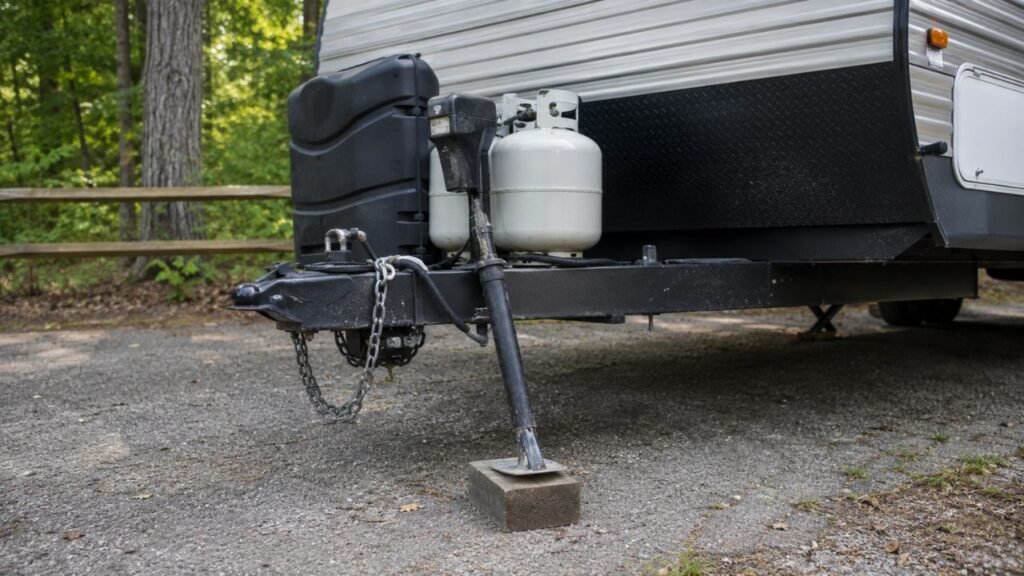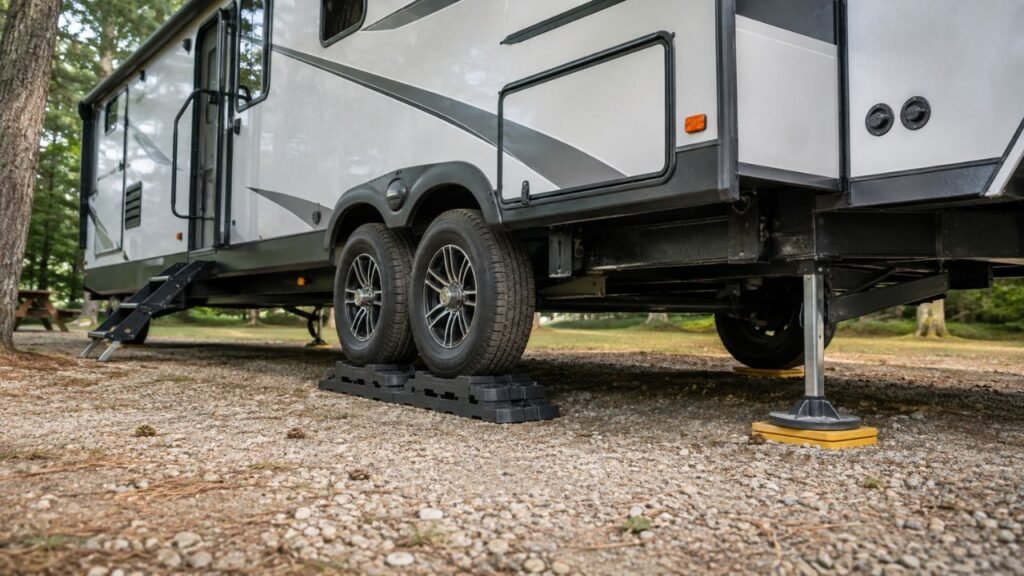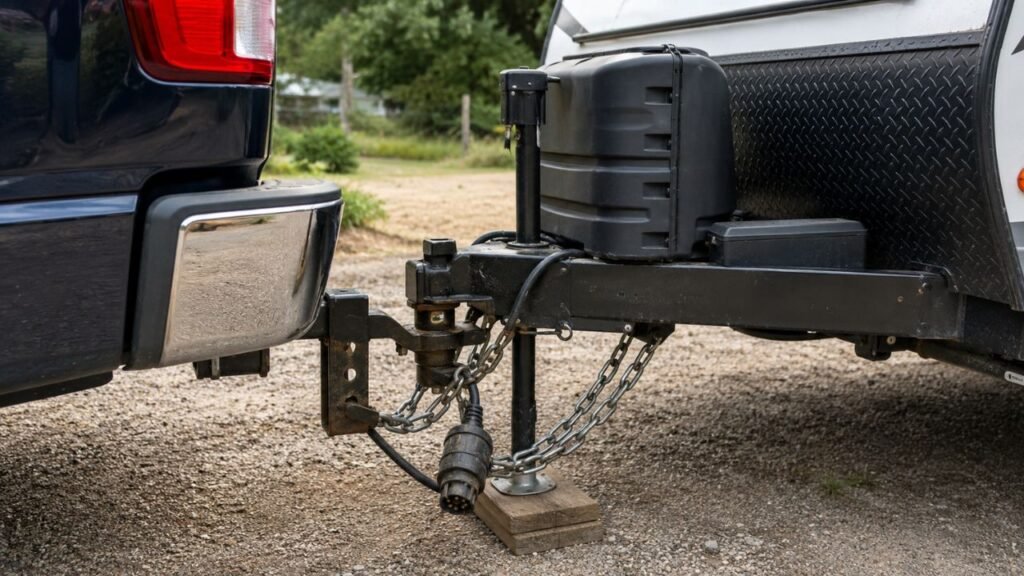
Your brake controller says “No Trailer” when it cannot detect a complete electrical circuit through the trailer’s electric brakes. A dirty 7-way connector, weak ground, broken brake wire, blown fuse, loose connection, or faulty brake magnet can all cause this warning.
The good news is that you can usually narrow down the problem without replacing random parts. I’ll walk you through the system from the tow vehicle to the trailer brakes so you can find where the connection is being lost.
Key Takeaways
- “No Trailer” usually means the brake circuit is incomplete.
- Start by checking the trailer’s 7-way plug and socket.
- A loose or corroded ground can prevent trailer detection.
- Working trailer lights do not prove the brakes are connected.
- Intermittent warnings usually point toward loose wiring or connections.
- Damaged axle wiring or brake magnets can also cause the warning.
- Avoid normal towing until you confirm the trailer brakes work properly.
What Does “No Trailer” Mean on a Brake Controller?
A “No Trailer” message does not necessarily mean your entire trailer is electrically disconnected. It normally means the brake controller cannot see the electrical load created by the trailer’s electric brake circuit.
Depending on your controller, you may see messages such as “No Trailer,” “Trailer Disconnected,” “NC,” “No Connection,” or “Check Trailer Wiring.”
Your trailer lights might still work normally when this happens. Running lights, turn signals, brake lights, battery charging, and electric trailer brakes use different circuits inside the 7-way connector.
Think of the brake circuit as its own electrical path.
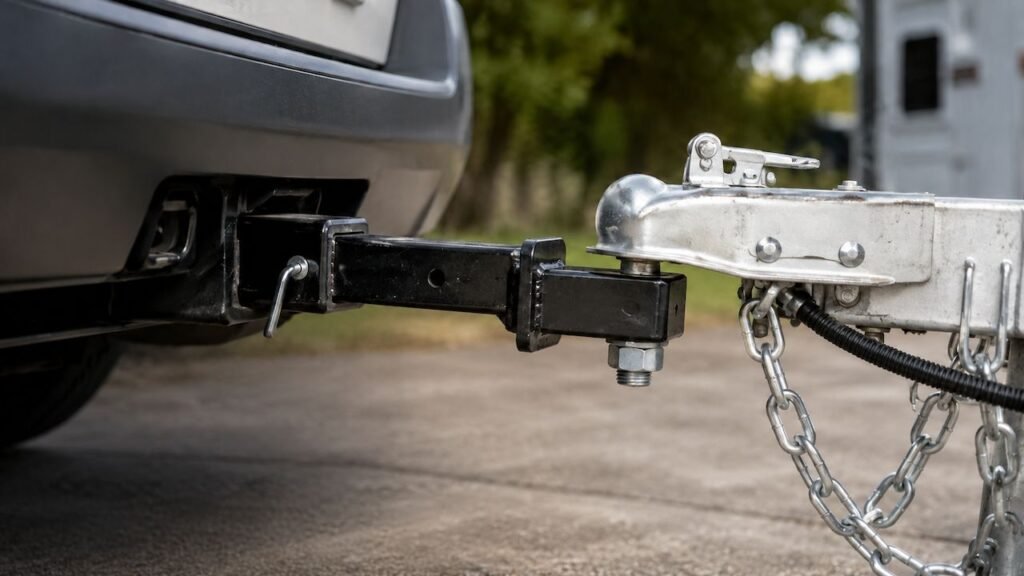
Power travels from the brake controller through the tow vehicle’s brake output wiring. It then passes through the 7-way connection and runs toward the brake magnets. The electrical circuit also needs a reliable ground path.
If something interrupts that path, your controller may stop recognizing the trailer.
Why Does My Brake Controller Say No Trailer?
Several electrical problems can make a brake controller lose trailer detection. I recommend starting with the simplest connection points before assuming the controller or brake assemblies have failed.
Dirty or Corroded 7-Way Connector
The 7-way connector is one of the first places I would check.
Your trailer plug lives in a pretty rough environment. Rain, road spray, dust, salt, dirt, and storage moisture can all reach the terminals.
Over time, corrosion can form on the electrical contacts. Even a thin layer can increase resistance enough to interfere with brake detection.
Unplug the trailer and examine both sides of the connection.
Look closely at the tow vehicle socket and trailer plug. Greenish deposits, white oxidation, dirt, moisture, or darkened terminals all deserve attention.
Cleaning the connector may restore the connection immediately.
However, heavy corrosion often returns. If terminals are badly damaged, replacing the connector may be the better long-term solution.
Loose or Damaged Trailer Ground
A bad ground is another common cause of trailer brake problems.
Electricity needs a complete path back through the system. A loose, rusty, painted, or corroded ground connection can interrupt that path.
Find the trailer’s main ground connection where the wire attaches to the frame.
The terminal should be tight against clean metal.
Rust and paint can prevent good electrical contact even when the bolt feels tight. If necessary, disconnect the terminal and clean the mounting area until bare metal is exposed.
Then reconnect everything securely.
Also inspect smaller ground connections around the brake system when applicable.
Broken Brake Output Wire
The brake controller sends its braking signal through a dedicated output circuit.
In many trailer wiring setups, this circuit uses a blue wire. However, you should never rely entirely on wire color when working on an unfamiliar installation.
A damaged brake output wire can completely interrupt controller detection.
Common problems include:
- Broken conductors
- Corroded wire splices
- Loose crimp connectors
- Pinched wires
- Chafed insulation
- Wires pulled loose near the connector
Start at the tow vehicle connector and follow the circuit toward the trailer axles where possible.
One small broken connection can make the entire system appear disconnected.
Blown Trailer Brake Fuse or Failed Tow-Package Circuit
Your tow vehicle may have dedicated fuses or relays for towing functions.
A blown trailer brake fuse can prevent the brake circuit from operating correctly.
Check your vehicle owner’s manual before replacing anything. Fuse layouts vary widely between trucks, SUVs, and factory towing packages.
Look for labels related to trailer braking, tow packages, trailer modules, or brake controllers.
Never install a higher-amperage fuse because the original keeps blowing.
A repeated blown fuse means you probably have a short circuit that needs diagnosis.
Faulty Brake Magnet
Electric drum brakes use electromagnets inside the brake assemblies.
When the controller sends current, the magnets interact with the rotating brake drum. That movement helps apply the brake shoes.
A failed magnet, damaged magnet wiring, or open electrical connection can change what the brake controller sees.
I would not start by replacing magnets, though.
Check the plug, ground, fuses, and exposed wiring first. Those areas are easier to inspect and frequently cause the same warning.
Damaged Wiring Near the Axles
Trailer brake wiring underneath the trailer takes plenty of abuse.
Road debris hits it. Suspension movement flexes it. Water reaches it. Animals may even chew exposed wiring while the trailer is stored.
Pay particular attention to wiring around the axles and brake backing plates.
You may find a wire that looks fine while the trailer is parked but separates when the suspension moves.
That type of problem often creates an intermittent “No Trailer” warning.
Brake Controller Wiring or Installation Problem
If you have an aftermarket brake controller, inspect its installation too.
A controller normally needs reliable power, ground, brake input, and brake output connections.
A loose harness beneath the dashboard can cause strange behavior.
Check for loose plugs, poor crimps, damaged wiring, or connections that have been pulled during other dashboard work.
If your controller frequently loses power as well as trailer detection, I would pay particular attention to its main power and ground connections.
Faulty 7-Way Socket or Plug
Sometimes cleaning the connector is not enough.
The terminals inside an older 7-way socket can loosen. The trailer plug may then move slightly while driving.
Internal wires can also pull away from the terminals.
If moving the plug makes the controller switch between connected and disconnected, inspect the connector carefully.
A worn socket or plug may need replacement.
Most Common Causes at a Glance
If you want to narrow down the problem quickly, use the symptoms you are seeing. The table below can help you decide where to start.
| Possible Cause | Typical Clue | Where to Check First | Likely Fix |
| Dirty 7-way connector | Warning changes after reconnecting plug | Vehicle socket and trailer plug | Clean terminals |
| Bad trailer ground | Intermittent brakes or electrical problems | Trailer frame ground | Clean and tighten ground |
| Broken brake wire | No trailer braking | Brake output wiring | Repair damaged wiring |
| Blown fuse | No brake output from vehicle | Tow vehicle fuse panel | Replace correct fuse after checking cause |
| Brake magnet problem | Wiring appears good but detection fails | Brake assemblies | Test and replace faulty magnet |
| Loose trailer plug | Warning appears over bumps | 7-way connector | Repair or replace connector |
| Controller wiring problem | Trailer is never detected | Controller harness | Repair installation |
How to Fix a Brake Controller That Says No Trailer
I recommend troubleshooting from the front of the system toward the trailer brakes. This prevents you from pulling wheels or replacing brake components before checking easier problems.
Step 1: Reseat the Trailer Plug
Start with the easiest fix.
Turn everything off and unplug the trailer connector.
Inspect the plug quickly, then reconnect it firmly. Make sure it seats completely inside the tow vehicle socket.
Some connectors feel connected before they are actually seated properly.
After reconnecting, check the brake controller again.
If the trailer suddenly appears, you likely have a connection problem that deserves closer inspection.
Step 2: Inspect and Clean the 7-Way Connector
Disconnect the trailer before cleaning the connector.
Look for:
- Green corrosion
- White oxidation
- Dirt
- Mud
- Water
- Bent contacts
- Loose terminals
- Burn marks
- Heat-damaged plastic
Use an appropriate electrical contact cleaner when needed.
Allow the connector to dry before reconnecting it.
If the metal terminals are badly worn or loose, replacement usually makes more sense than repeated cleaning.
Step 3: Check the Trailer Ground
Next, inspect the main trailer ground.
Follow the ground wire to its frame connection.
Remove the fastener if necessary and inspect the metal underneath.
You want a solid connection against clean metal. Rust, paint, thick undercoating, and corrosion can all interfere with the ground.
Clean the contact area and tighten the connection securely.
Do not assume a ground is good simply because the bolt looks tight.
Step 4: Test the Tow Vehicle’s Brake Output
Before crawling underneath the trailer, determine whether the tow vehicle is actually sending brake output.
A multimeter or suitable electrical tester can help with this step.
Activate the controller’s manual override while testing the correct brake output circuit at the vehicle’s 7-way connector.
If the vehicle produces brake output, you can focus more attention on the trailer side.
If there is no output, investigate the controller, vehicle wiring, fuses, and towing module.
Follow the testing procedure recommended for your specific controller and tow vehicle.
Step 5: Check Trailer Brake Fuses and Relays
Check the tow vehicle’s fuse panels.
Some vehicles have more than one fuse related to trailer towing.
You may have separate protection for:
- Trailer brake controller
- Trailer brake output
- Tow package
- Trailer lighting
- Auxiliary trailer power
Your owner’s manual should identify the correct fuse positions and ratings.
If a replacement fuse immediately blows again, stop replacing fuses.
You likely have a short circuit somewhere in the system.
Step 6: Follow the Brake Wiring Under the Trailer
Once the tow vehicle and connector check out, move underneath the trailer.
Follow the brake wiring toward each axle.
Look for:
- Crushed wires
- Torn insulation
- Loose wire connections
- Corroded splices
- Wiring rubbing against metal
- Wires hanging near suspension parts
- Rodent damage
- Connections exposed to water
Pay attention to areas where wires pass through holes or around brackets.
These locations often develop wear from constant vibration.
Step 7: Test the Brake Magnets
If the external wiring appears good, the brake magnets may need testing.
This is where a multimeter becomes especially useful.
Brake magnet testing can involve checking resistance, current draw, continuity, and shorts to ground.
Exact acceptable values depend on the brake assembly and magnet size.
Use the specifications for your particular brake system rather than assuming one resistance number applies to every trailer.
Physical condition matters too.
A badly worn magnet, damaged wire, or exposed internal material usually indicates replacement is needed.
Step 8: Inspect the Brake Controller Installation
If everything on the trailer checks out, return to the controller.
Inspect its wiring harness and mounting connections.
For an aftermarket controller, verify the:
- Power connection
- Ground connection
- Brake signal input
- Brake output wire
- Vehicle-specific adapter harness
Also make sure no connector beneath the dashboard has loosened.
If your vehicle uses an integrated factory brake controller, diagnosis may require vehicle-specific troubleshooting or a scan tool.
How Can I Tell Whether the Problem Is the Truck or the Trailer?
The fastest troubleshooting happens when you divide the system into two sides. First determine whether the tow vehicle works correctly, then determine whether the trailer can complete the brake circuit.
Testing the Tow Vehicle Side
Check whether brake output reaches the appropriate terminal at the tow vehicle’s trailer socket.
Use the controller’s manual override during testing when appropriate.
If the truck produces the expected output but still cannot recognize your trailer, the problem is probably farther downstream.
You can then focus on the trailer connector, wiring, grounds, and brake assemblies.
Testing the Trailer Side
If possible, connect your trailer to another properly equipped tow vehicle.
If that second vehicle also fails to detect the trailer, you have strong evidence that the problem is on the trailer side.
Likewise, connect your tow vehicle to another known-good trailer.
If your controller recognizes that trailer normally, your controller and tow vehicle wiring are probably functioning.
The Fastest Isolation Test
One of the best diagnostic tricks is simply using a known-good comparison.
Connect:
- Your tow vehicle to another brake-equipped trailer, or
- Your trailer to another properly equipped tow vehicle.
This approach can save a lot of time.
Instead of guessing whether the controller or trailer is responsible, you can usually narrow the fault down in minutes.
Why Does the Brake Controller Say No Trailer Even Though the Lights Work?
This confuses many trailer owners because everything appears connected.
Your trailer lights and electric brakes do not use the same electrical circuit.
Running lights, turn signals, brake lights, auxiliary charging, and electric brakes use separate contacts inside the 7-way connector.
That means your trailer lights can work perfectly while the brake output circuit remains disconnected.
When this happens, I would inspect the brake output terminal, trailer ground, brake wiring, and brake magnet circuit.
Do not use working trailer lights as proof that your electric brakes are working.
Why Does My Brake Controller Say No Trailer Intermittently?
An intermittent warning usually means the electrical path is connecting and disconnecting. Movement, vibration, moisture, or temperature changes can expose a weak connection.
Loose 7-Way Plug
Your trailer plug should remain firmly seated while towing.
If it fits loosely, bumps and vibration can briefly disconnect the brake circuit.
Watch what happens when you gently move the plug while parked.
If the controller repeatedly connects and disconnects, inspect the plug and socket.
Corroded Connector Contacts
Corroded terminals sometimes still make partial contact.
Everything may work while parked, then vibration breaks the connection while driving.
Cleaning may help, but severely pitted contacts should usually be replaced.
Wire Moving Near the Axle
A partially broken wire can behave normally until the suspension moves.
That is why some brake controller warnings only appear on rough roads.
Inspect axle wiring carefully.
Look for wires stretched tight, rubbing against metal, or connected with deteriorated splices.
Weak Ground Connection
A marginal ground can create the same symptoms.
Vibration may move the terminal just enough to interrupt the circuit.
Moisture can also change resistance around a corroded connection.
Clean and tighten suspicious grounds even when they look acceptable from the outside.
Why Does the Controller Detect the Trailer and Then Lose It?
If your controller recognizes the trailer initially and then displays “No Trailer,” I would suspect a connection that fails when the trailer moves.
Common causes include:
- Loose trailer plug
- Worn socket terminals
- Corroded electrical contacts
- Chafed brake wiring
- Loose trailer ground
- Damaged axle wiring
Pay attention to exactly when the message appears.
If it happens over bumps, inspect loose connections.
If it happens while turning, check wiring and plug movement.
If it happens during wet weather, inspect the connector and exposed wiring for moisture intrusion.
Those clues can point you toward the fault much faster.
Can a Bad Ground Make a Brake Controller Say No Trailer?
Yes. A poor ground can absolutely cause a brake controller to show “No Trailer.”
The electric brake circuit needs a complete electrical return path. If the trailer ground is loose, rusty, corroded, or attached over painted metal, the controller may not detect the expected brake circuit.
A bad ground can also cause inconsistent braking and other strange electrical symptoms.
Because grounds are easy to inspect, I always recommend checking them early.
Can a Bad Brake Magnet Cause a No Trailer Message?
Yes, a damaged brake magnet or its wiring can sometimes prevent proper trailer detection.
Brake magnets form part of the electrical load that the controller monitors. An open connection, broken magnet wire, or internal magnet failure can change that circuit.
However, do not assume a magnet has failed immediately.
I would first check the 7-way connection, trailer ground, exposed wiring, and vehicle brake output.
Those faults are often easier to diagnose.
Can a Blown Fuse Cause the Brake Controller to Say No Trailer?
Yes, depending on the tow vehicle and brake controller system.
Modern vehicles may have several separate towing fuses. One may power the controller while another protects part of the trailer brake or towing circuit.
That is why a controller can sometimes turn on normally while the trailer still is not detected.
Check your owner’s manual for the correct fuse locations.
Always replace a blown fuse with the specified amperage.
If it keeps blowing, find the electrical short instead of installing a larger fuse.
Why Does It Say No Trailer After It Rains?
Rain often exposes connections that were already becoming weak. Moisture inside connectors or wiring can increase resistance, encourage corrosion, and cause intermittent trailer detection.
Moisture Inside the 7-Way Connector
The trailer connector is exposed whenever you tow or store the trailer.
Water can enter worn seals or an uncovered socket.
Inspect both sides of the 7-way for visible moisture.
Dry and clean the connector before reconnecting it.
Water in Wiring Connections
Exposed wire splices underneath the trailer can also collect moisture.
Poorly sealed crimp connections are particularly vulnerable.
Inspect wiring near the tongue, frame, axles, and brake assemblies.
Repair damaged connections with suitable weather-resistant electrical methods.
Existing Corrosion Becoming Intermittent
Rain does not always create the problem.
Sometimes moisture simply makes existing corrosion easier to notice.
A terminal may have been barely making contact for months.
Wet weather then changes the electrical resistance enough to trigger the warning.
If the problem repeatedly appears after rain, inspect the connections instead of waiting for them to dry every time.
Why Does My Brake Controller Say No Trailer After the Trailer Sat for Months?
Storage can be surprisingly hard on electrical connections.
Moisture sits inside plugs. Ground connections slowly corrode. Rodents may reach wiring. Exposed axle connections can deteriorate without you noticing.
If your brakes worked before storage, inspect the entire connection path before assuming something major failed.
Start with the 7-way connector and ground.
Then check the wiring running underneath the trailer.
Rodent damage is also worth considering when a trailer has been stored for several months.
Should I Reset My Brake Controller?
You can follow your controller manufacturer’s reset procedure when the controller appears to have a software or configuration problem.
However, resetting the controller will not repair a physical electrical fault.
A reset cannot fix:
- Corroded terminals
- Broken wires
- Loose grounds
- Failed brake magnets
- Damaged plugs
- Blown fuses caused by a short
If the controller repeatedly says “No Trailer,” inspect the electrical system before relying on a reset.
Should I Tow If My Brake Controller Says No Trailer?
I would not recommend normal highway towing when your trailer relies on electric brakes and the controller cannot detect them.
Stop and investigate if:
- The manual override produces no trailer braking.
- The warning repeatedly appears while driving.
- Trailer braking disappears over bumps.
- Wiring or connectors become hot.
- A trailer brake fuse repeatedly blows.
- The brakes behave unpredictably.
Trailer brake requirements vary depending on trailer weight and local laws.
However, the bigger issue is control.
A trailer with nonfunctioning brakes can push the tow vehicle harder during emergency stopping.
If you know the trailer braking system has a fault, correct it before returning to normal towing.
When Should I Replace the 7-Way Connector?
Cleaning can solve light contamination, but some connectors are simply worn out. Replacing a damaged plug or socket is often more reliable than repeatedly trying to restore weak terminals.
Consider replacement when:
- Terminals are badly corroded.
- Electrical contacts are loose.
- Connector blades are broken.
- The plug will not remain seated.
- Plastic around the terminals has melted.
- Internal wiring repeatedly comes loose.
- Cleaning only fixes the problem temporarily.
A solid 7-way connection is important for more than just brakes.
It also supports the other electrical functions between your tow vehicle and trailer.
When Should I Have the Trailer Brakes Professionally Checked?
Basic connector and ground checks are manageable for many trailer owners. More complicated electrical faults may be better handled by someone familiar with trailer braking systems.
Consider professional diagnosis when:
- Brake wiring repeatedly blows fuses.
- The controller reports a persistent short circuit.
- Brake magnets require detailed testing.
- Wiring disappears inside an enclosed underbelly.
- Brakes remain inconsistent despite good connector output.
- You are uncomfortable testing electrical circuits.
- The trailer still disconnects after basic repairs.
Electrical troubleshooting becomes much easier with the right testing equipment.
There is nothing wrong with handing the problem over once you have ruled out the simple causes.
A Simple Troubleshooting Order to Remember
If you are standing beside the trailer wondering where to begin, use this order. It keeps you from jumping straight to expensive parts.
- Make sure the trailer plug is fully seated.
- Inspect and clean the 7-way connector.
- Check the trailer ground.
- Test tow vehicle brake output.
- Inspect trailer brake fuses and relays.
- Follow the brake wiring underneath the trailer.
- Inspect wiring around each axle.
- Test the brake magnets if necessary.
- Check the brake controller installation.
The important part is moving through the circuit logically.
Do not replace the controller just because it displays the warning.
The controller may simply be telling you that something farther down the circuit is disconnected.
Final Words
When your brake controller says “No Trailer,” think of it as an electrical detection problem first. The controller is looking for the trailer brake circuit and cannot see the connection it expects.
Start with the easy areas. Check the 7-way connector, clean the contacts, and inspect the trailer ground. Then work your way toward the brake wiring and magnets.
Most importantly, verify that your trailer brakes actually work before returning to normal towing. A warning that comes and goes deserves attention even when the brakes seem fine during a quick driveway test.
Related FAQs
Why Does My Brake Controller Say No Trailer Connected?
Your brake controller usually says “No Trailer Connected” because it cannot detect a complete electrical circuit through the trailer brakes. Check the 7-way connector, trailer ground, brake output wiring, fuses, and brake magnets.
Can a Bad 7-Way Plug Cause No Trailer?
Yes. Corroded, loose, bent, or worn terminals inside the 7-way plug can interrupt the brake output circuit even when other trailer electrical functions still work.
Why Does My Trailer Disconnect When I Hit a Bump?
A trailer that disconnects electrically over bumps often has a loose 7-way connection, weak ground, damaged wire, or worn connector terminal that loses contact as the trailer moves.
Why Do My Trailer Lights Work but My Brake Controller Says No Trailer?
Trailer lights and electric brakes use different circuits inside the 7-way connector. Your lights can work normally while the brake output wire, ground, or brake magnet circuit remains disconnected.
Can a Bad Ground Stop Trailer Brakes From Working?
Yes. A poor trailer ground can prevent the brake circuit from completing properly. Rust, loose fasteners, paint, and corrosion underneath the ground terminal can all cause problems.
How Do I Know If My Trailer Brake Magnet Is Bad?
A brake magnet can be checked using resistance, continuity, and current-draw testing along with physical inspection. Always compare test results with specifications for your particular brake assembly.
Does the Brake Controller Detect the Trailer Through the Brake Wire?
Most electric brake controllers determine trailer connection by monitoring the electrical brake circuit and the load created by the trailer’s brake magnets and associated wiring.
Can Corrosion Cause a Trailer Disconnected Warning?
Yes. Corrosion increases electrical resistance and can prevent solid contact inside the 7-way connector, frame ground, wiring splices, or other trailer brake connections.
Should My Brake Controller Show a Trailer When Parked?
A compatible electric-brake trailer should normally be detected when it is properly connected, even while parked. If it only connects occasionally, inspect the plug, ground, and brake wiring.
Can a Bad Brake Controller Say No Trailer?
Yes, a faulty controller can cause the warning, but it should not be your first assumption. Check the 7-way connector, grounds, fuses, brake wiring, and magnets before replacing the controller.

Scott Miller shares real-world RV road trip insights built from years of traveling open highways and backroads. He covers route planning, campground choices, and travel gear with a practical mindset. His content is written for RVers who value reliability over trends.