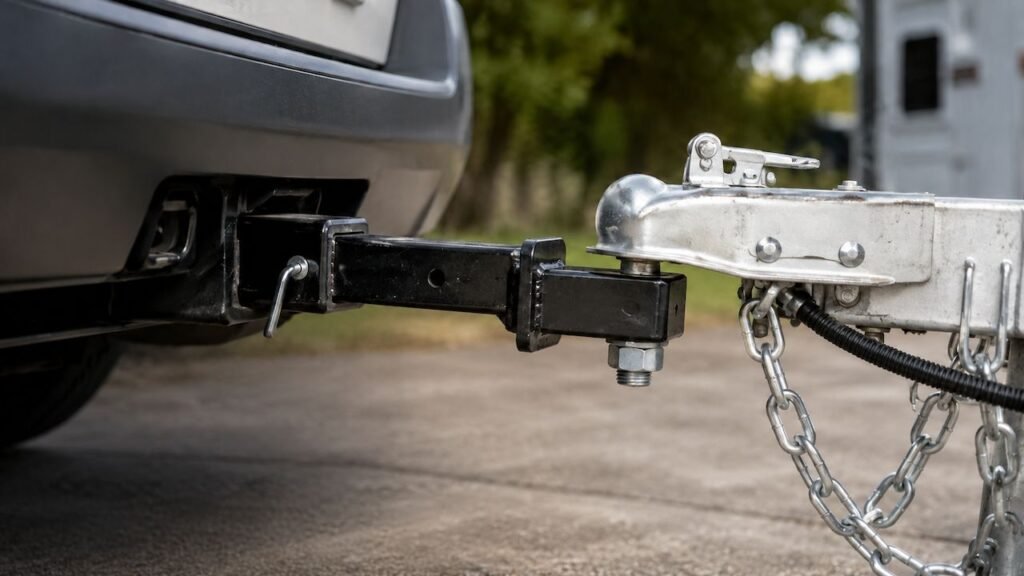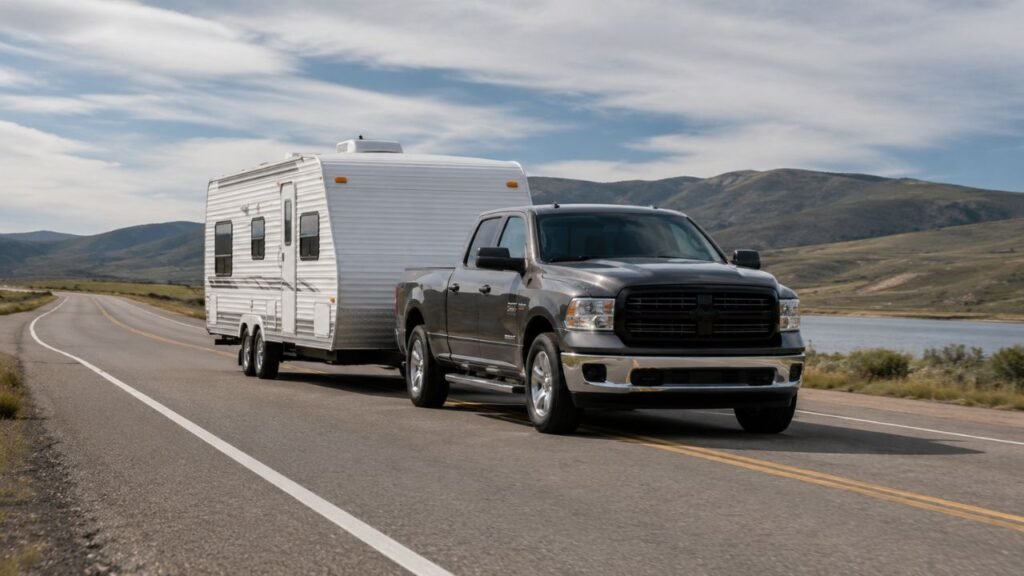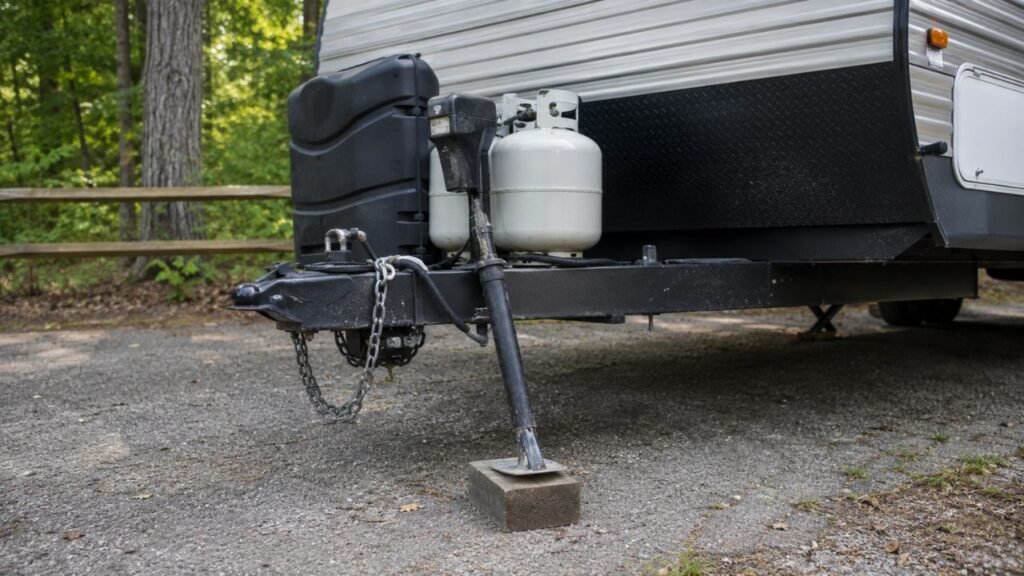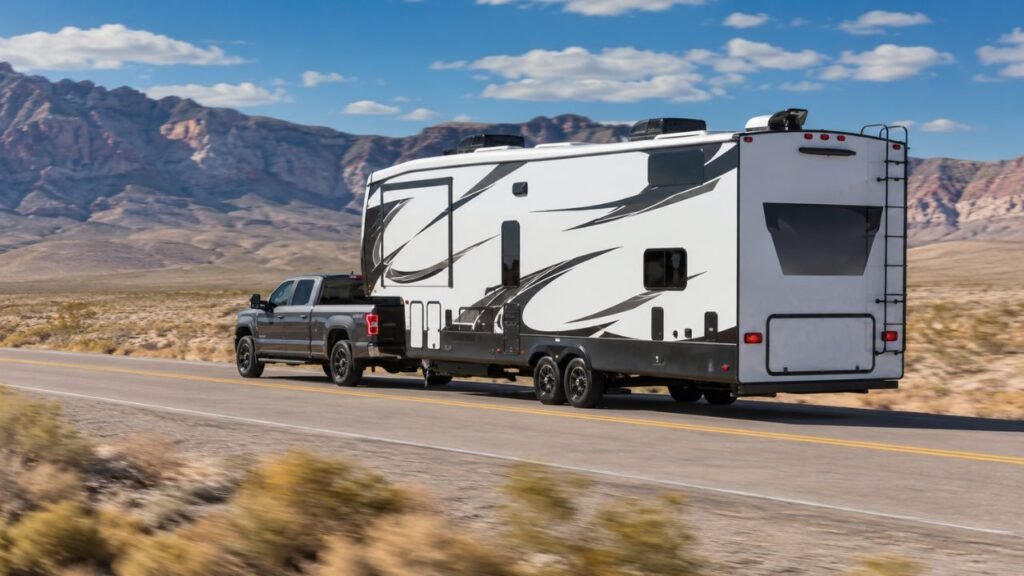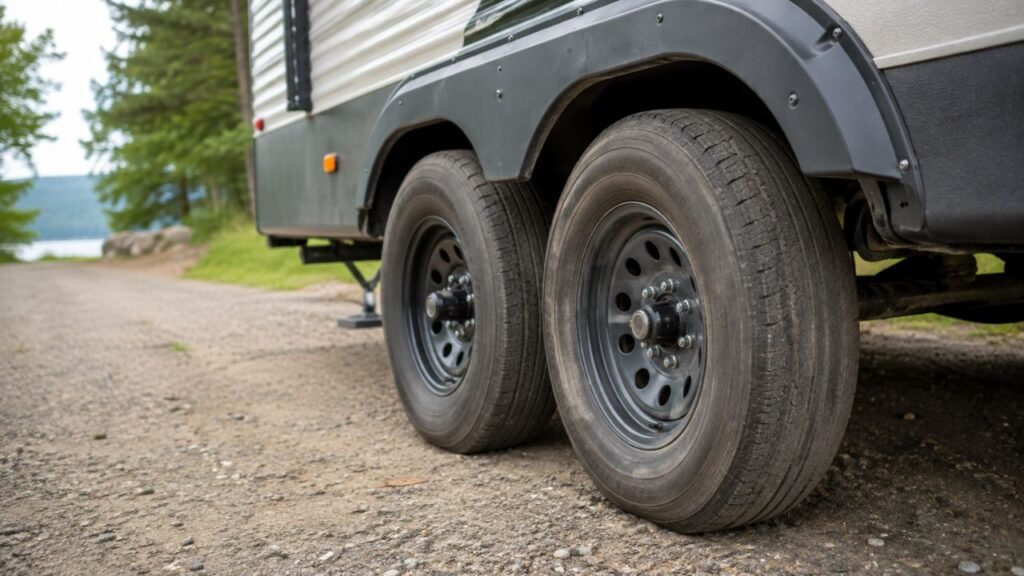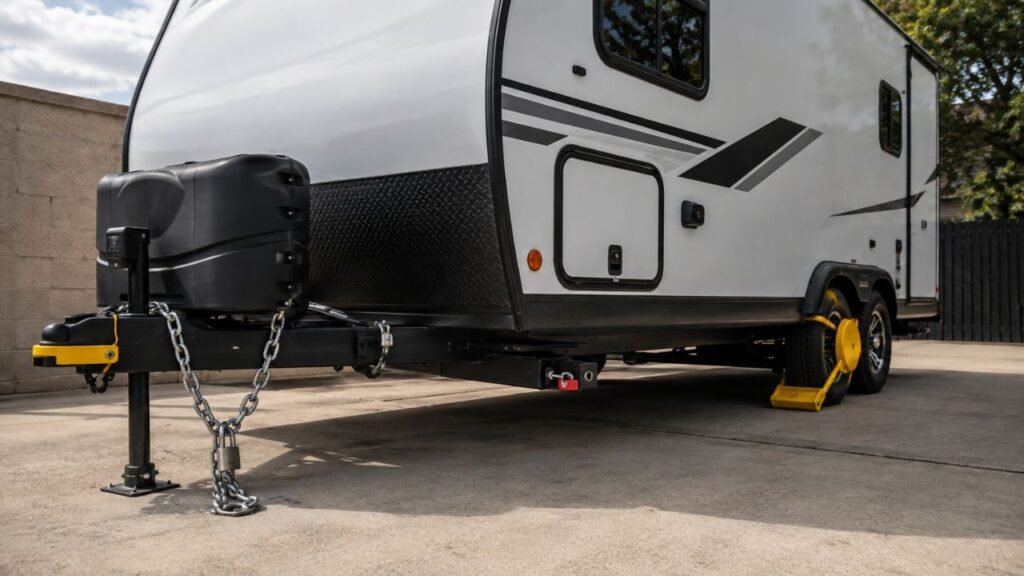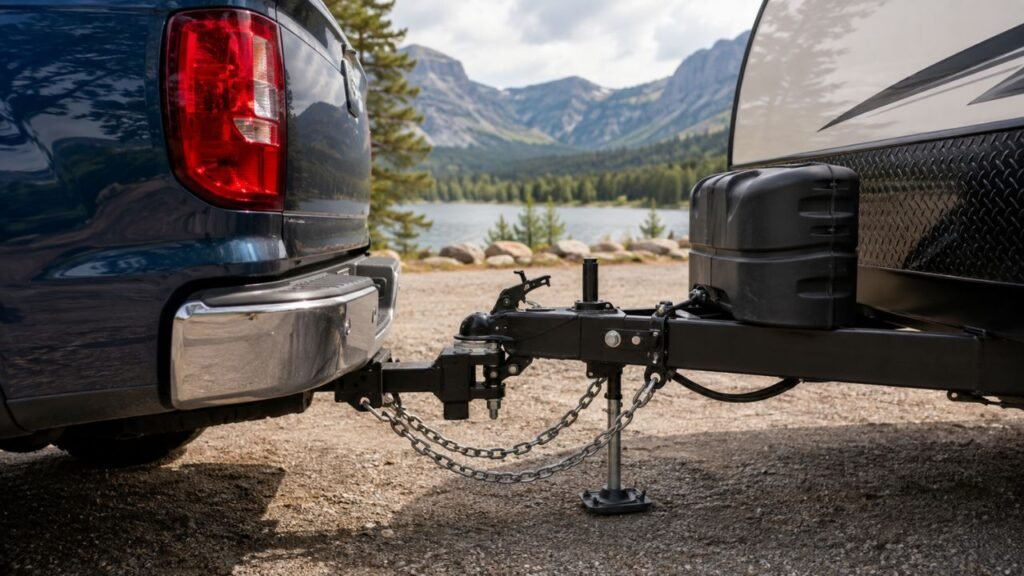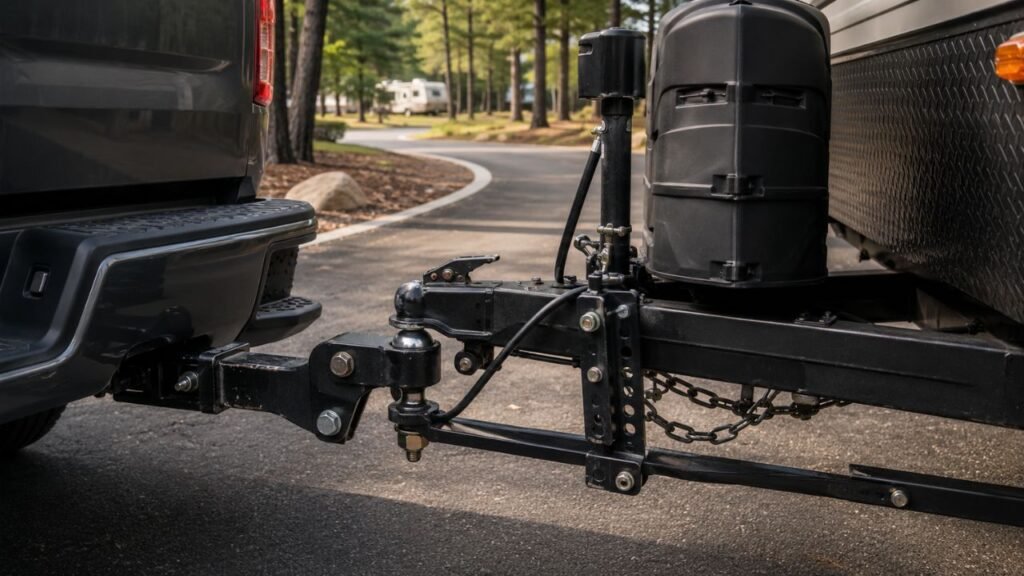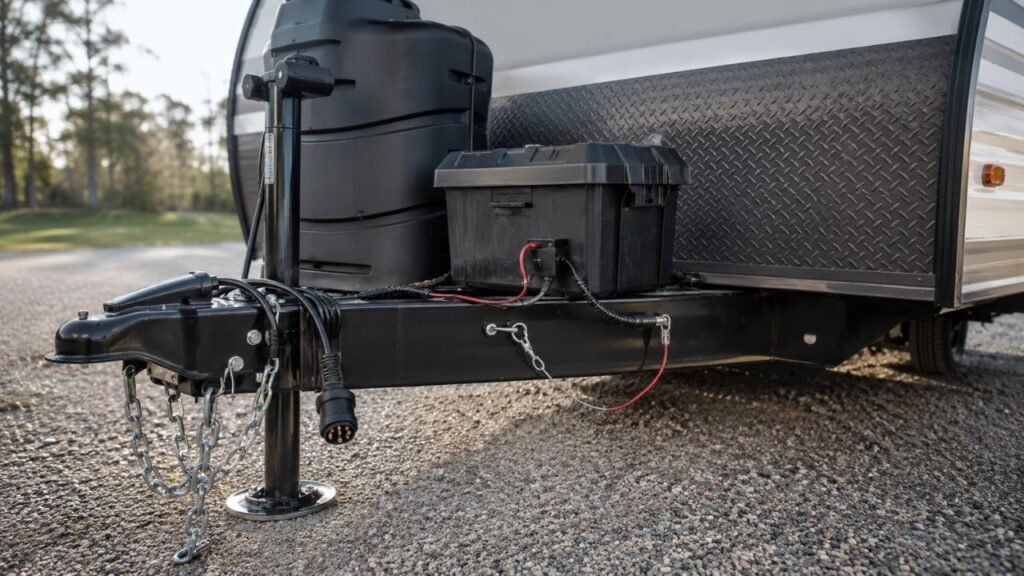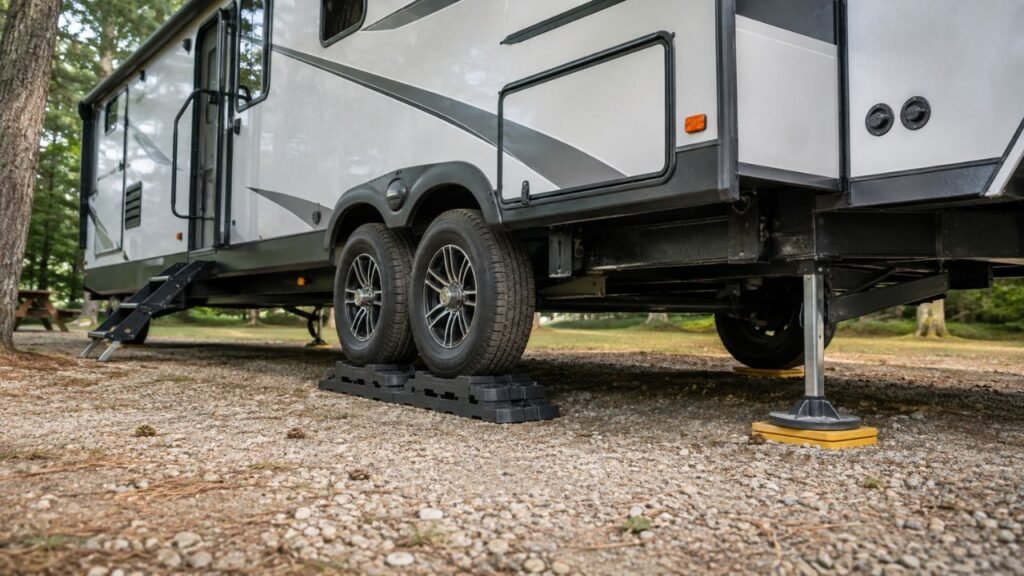
Your RV can move after leveling because leveling only corrects its angle. It does not eliminate tire movement, suspension flex, frame movement, soft-ground settling, or side-to-side play in extended stabilizer jacks.
In this guide, I’ll help you find where the movement starts. We’ll also cover practical ways to make your RV feel steadier without damaging its frame or jacks.
Key Takeaways
- Leveling makes your RV even, while stabilizing reduces movement.
- Loose wheel chocks often cause front-to-back rocking.
- Long stabilizer jack extension increases side-to-side flex.
- Soft ground can let pads sink after setup.
- Tires, suspension parts, and lightweight frames naturally flex.
- Stabilizer jacks should not lift the RV unless designed for it.
- Cross-bracing can reduce movement that standard jacks cannot control.
- Sudden or severe movement may require a professional inspection.
Why Does My RV Move Even Though It Is Level?
A level reading only confirms that your RV is sitting evenly. It does not mean every moving or flexible part underneath has been locked in place.
Leveling Corrects the RV’s Angle
Leveling adjusts your RV from side to side and front to back. It helps your refrigerator, plumbing, doors, slide-outs, and sleeping areas work more comfortably.
You may use leveling blocks beneath the tires, a tongue jack, fifth-wheel landing gear, or an automatic leveling system. These tools change the RV’s height and angle.
However, a level floor can still move when weight shifts inside.
Stabilizing Controls Movement
Stabilizing adds support beneath the RV frame after leveling is complete. Stabilizer jacks reduce bouncing, rocking, and some side-to-side motion.
They are not always designed to carry the full weight of the RV. Their main purpose is to limit movement, not raise the trailer.
That distinction is important. Trying to level with ordinary stabilizer jacks can bend the jacks, twist the frame, or affect slide and door alignment.
Some RV Movement Is Normal
An RV is built differently from a house. It sits on rubber tires, flexible suspension parts, and a lightweight metal frame.
When someone walks from one end to the other, their weight temporarily changes how the frame is loaded. You may feel a small vibration, bounce, or gentle rocking.
The goal is not to make your RV completely motionless. The goal is to remove excessive movement that affects comfort or safety.
What Type of Movement Are You Feeling?
The direction and timing of the movement can tell you where it begins. Pay attention to what happens when someone walks, enters through the door, or moves near a slide-out.
| Movement You Notice | Likely Source | First Thing to Check |
| Front-to-back rocking | Tire rotation or suspension flex | Wheel chocks |
| Side-to-side sway | Extended stabilizers or weak bracing | Jack extension |
| Up-and-down bounce | Tires, suspension, or long frame span | Stabilizer contact |
| Movement near the entrance | Flexible steps or nearby frame movement | Step support |
| Movement in the rear bedroom | Long rear overhang | Rear stabilizers |
| Leaning after several hours | Soft soil or sinking pads | Ground and pad size |
| More movement after extending slides | Weight transfer or ground settling | Level and jack contact |
| Sudden shifting or popping | Loose or damaged hardware | Jacks, mounts, and frame |
Try to identify one movement direction first. It makes troubleshooting much easier and can prevent unnecessary purchases.
The Most Common Causes of RV Movement After Leveling
RV movement often comes from several small problems working together. Fixing one may help, but you might need two or three adjustments for a noticeably firmer setup.
The Wheels Are Not Chocked Tightly
Your tires only need to rotate a tiny amount to create noticeable movement inside. This usually feels like gentle front-to-back rocking.
Place proper wheel chocks firmly against the tires before deploying the stabilizers. On a travel trailer, chock both sides as needed so the trailer cannot roll in either direction.
Do not simply drop a chock near the tire. Push it tightly into place so there is no visible gap.
Between-tire stabilizers can also reduce movement on tandem-axle trailers. However, they are supplementary devices and should not replace normal wheel chocks.
The Ground Is Soft or Uneven
Grass, dirt, loose gravel, sand, mud, and warm asphalt can compress beneath your stabilizers. The RV may feel stable at first and then begin moving later.
A small jack foot concentrates a large amount of force in one area. As the ground compresses, one corner may sink more than another.
Use wide, solid jack pads to spread the pressure. Recheck the pads after rain or several hours of use, especially on soft campsites.
The Stabilizer Jacks Are Extended Too Far
A fully extended stabilizer jack can flex more than a shorter one. It begins acting like a long, narrow leg instead of a rigid support.
This usually creates side-to-side movement. You may notice it when someone walks across the RV or turns in bed.
Place approved blocks beneath the jack so it does not need to extend as far. Keep the stack wide, stable, and within the block manufacturer’s instructions.
Avoid building tall towers from loose wood scraps or damaged plastic blocks.
The Stabilizers Have Uneven Contact
Every stabilizer should make firm contact with its pad. If one is barely touching while another carries excessive pressure, the RV may twist or bounce.
Uneven pressure can also happen when one pad sinks after setup. The jack remains extended, but it no longer provides effective support.
Inspect all four corners after setting up. Apply controlled pressure without lifting or distorting the frame.
The Tires and Suspension Are Flexing
Rubber tire sidewalls naturally flex under changing loads. Leaf springs, equalizers, shackles, bushings, and other suspension components also move.
Standard stabilizer jacks may not remove all this motion because the tires and axles remain part of the supporting structure.
Tight wheel chocks and between-tire stabilizers can reduce some of this movement. They will not make the suspension completely rigid.
The RV Frame Is Flexing
Long travel trailers and fifth wheels can flex slightly between their support points. Lightweight construction helps with towing, but it also allows some movement.
Frame flex is often more noticeable near a rear bedroom, kitchen, large slide-out, or long overhang.
Additional approved support may help on some RVs. However, never place a jack beneath tanks, plumbing, underbelly panels, slide mechanisms, or unapproved frame areas.
The Tongue Jack or Landing Gear Is Moving
A travel trailer’s tongue jack creates a narrow front support point. Small amounts of play can produce movement throughout the trailer.
Fifth-wheel landing gear can also flex, especially when extended far. Wide spacing helps, but the long legs can still move laterally.
Keeping the legs shorter and using approved cross-bracing can make the front of the RV feel much firmer.
The Slide-Outs Changed the Weight Distribution
A large slide-out moves significant weight away from the RV’s centerline. That changes the pressure on the tires, frame, and stabilizers.
The RV may remain technically level while feeling less stable. A pad may also begin sinking after the slide is extended.
Always follow your manufacturer’s recommended setup sequence. Some RVs require leveling before extending slides, while specific systems may have different instructions.
The Entry Steps Are Transferring Movement
Entering the RV places a sudden load near the door. If the steps are attached directly to the frame, each step can make the whole RV move.
A correctly adjusted step support may reduce this movement. It must remain stable and should not push the RV upward.
Recheck the support if the ground settles or the RV’s height changes.
Wind Is Moving the RV
RVs have large, flat sidewalls that catch wind. Slide-outs, awnings, and slide toppers can make wind movement more noticeable.
Strong wind may create some rocking even when the RV is properly stabilized.
Retract awnings during unsafe conditions. If wind movement becomes severe, follow local weather guidance and move to a safer location when necessary.
Stabilizer Parts Are Loose or Damaged
Loose mounting bolts, worn pivots, bent jacks, damaged footplates, and cracked brackets can all create movement.
Hydraulic systems may also settle if pressure is leaking internally. Electric jacks can develop play from worn gears or mounting points.
Inspect the system before assuming you simply need more stabilizing equipment.
How to Find Where the Movement Is Coming From
Before buying new equipment, take a few minutes to observe the RV. A simple inspection can show whether the problem starts at the wheels, jacks, steps, or frame.
- Confirm that the RV is still level.
- Decide whether the motion is front-to-back or side-to-side.
- Check every wheel chock for tight tire contact.
- Inspect the ground beneath each jack pad.
- Look for sinking, tilting, cracking, or sliding pads.
- Compare the extension length of each stabilizer.
- Confirm that every stabilizer is firmly planted.
- Have one person walk inside while another watches outside.
- Observe the tires, suspension, tongue jack, and landing gear.
- Test whether stepping on the entrance causes most movement.
- Check bolts, brackets, welds, and jack mechanisms.
- Listen for popping, grinding, or unusual clicking sounds.
Do not crawl beneath an RV supported only by leveling or stabilizing equipment. Use properly rated safety equipment and follow the manufacturer’s lifting instructions.
How to Stop an RV From Moving After Leveling
The strongest setup usually combines tight wheel control, short stabilizer extension, solid ground contact, and lateral bracing. Start with the simple fixes before adding expensive equipment.
Chock the Wheels Before Stabilizing
Position and level the RV before deploying the stabilizer jacks. Once the wheels are in their final location, install the chocks tightly.
This locks the trailer’s position before the frame is supported. Chocking afterward may leave a small amount of existing tire movement.
On a slope, use equipment rated for the RV’s weight. Never depend on stabilizer jacks to prevent rolling.
Use Wide, Solid Jack Pads
A larger pad spreads the load over more ground. This reduces sinking and helps the stabilizer remain upright.
Choose pads rated for RV use. Thick wooden blocks may also work when they are solid, dry, undamaged, and large enough for the jack foot.
Avoid placing a metal jack foot directly on hot asphalt. It may sink or damage the surface.
Reduce Stabilizer Jack Extension
The less a stabilizer extends, the more rigid it usually feels. Place suitable blocks beneath the jack before lowering it.
You do not need to leave only a few inches showing. The goal is simply to avoid unnecessary extension while keeping the support stack safe.
Never use unstable towers or blocks that can split under pressure.
Apply Firm but Controlled Pressure
Lower each stabilizer until it contacts the pad. Add enough pressure to remove loose play, but do not continue lifting the frame.
Too much pressure can twist the chassis. It may also make doors, windows, and slide-outs difficult to operate.
If the RV becomes less level after deploying the stabilizers, release them and start again with lighter, more even contact.
Add Between-Tire Stabilizers When Appropriate
Tandem-axle trailers may benefit from stabilizers placed between the tires. These devices limit the tires from moving toward or away from each other.
They can reduce the front-to-back motion caused by suspension movement. They are most effective when correctly sized and tightened.
Use them together with standard wheel chocks, not instead of them.
Add Cross-Bracing to the Stabilizer Jacks
Diagonal braces connect the stabilizers to the RV frame. This creates triangulation, which is much stronger than relying on vertical legs alone.
Cross-bracing is especially helpful for side-to-side movement. It can also reduce front-to-back flex in landing gear and stabilizer systems.
Portable braces are available, while permanent kits stay attached to the RV. Check frame compatibility before installation.
Always loosen installed braces before retracting the jacks.
Support the Entry Steps
A step support can reduce the sudden movement caused by people entering the RV. It works by transferring some step pressure directly to the ground.
Adjust it so it supports the steps without lifting them. Too much upward force can damage the step assembly or affect door alignment.
Check it again after rain or ground settling.
Add Mid-Frame Support Carefully
Long trailers sometimes benefit from an additional approved support point near the center. This may reduce floor bounce and frame movement over long spans.
Only use locations approved by the RV or frame manufacturer. An incorrectly placed support can damage the underbelly, tanks, plumbing, or frame.
Mid-frame supports should stabilize the RV, not lift it.
Recheck the Setup After Settling
Your RV’s weight changes during a campsite stay. Extending slides, filling tanks, unloading gear, and moving people can alter the pressure beneath the jacks.
Check the level, chocks, pads, and stabilizers after several hours. Recheck them again after heavy rain or major temperature changes.
Small adjustments are normal on soft ground.
The Correct Order for Leveling and Stabilizing an RV
Following the same setup order at every campsite helps prevent loose chocks, uneven stabilizer pressure, and unnecessary frame stress.
- Inspect the campsite for firm, reasonably level ground.
- Position the RV before placing blocks.
- Level the RV from side to side.
- Apply the parking brake when applicable.
- Chock the wheels tightly.
- Disconnect the tow vehicle when required.
- Level the RV from front to back.
- Place wide pads beneath the jacks.
- Deploy the stabilizers according to the manual.
- Add approved tire stabilizers or cross-bracing.
- Extend the slide-outs in the recommended sequence.
- Recheck the level and stabilizer contact.
- Inspect the setup again after the RV settles.
Never assume the same sequence applies to every automatic leveling system. Follow the instructions provided for your specific RV.
How Stabilization Differs by RV Type
Different RV designs place weight on different support points. The best stabilization method depends on whether you have a travel trailer, fifth wheel, motorhome, or lightweight camper.
Travel Trailers
Travel trailers often move through the tires, suspension, tongue jack, and rear stabilizers.
Front-to-back rocking commonly starts at the wheels. Tight chocks and tandem-tire stabilizers may help.
Side movement may come from extended corner stabilizers or the single tongue jack. Shorter jack extension and cross-bracing usually provide the greatest improvement.
Fifth Wheels
Fifth wheels have wide front landing gear, but those legs can still flex when extended far.
Rear stabilizers may reduce movement at the back, while cross-bracing can strengthen the front support.
Long rear overhangs and heavy slide-outs can make movement more noticeable in bedrooms or rear living areas.
Motorhomes
Motorhomes may use hydraulic or electric leveling systems that lift part of the vehicle’s weight from the suspension.
These systems can provide excellent stability. However, tire flex, chassis movement, hydraulic settling, and floor flex may remain.
Use the parking brake and follow the manufacturer’s instructions for chocking and deploying the leveling system.
Pop-Up Campers and Lightweight Trailers
Lightweight campers often have narrow frames and smaller stabilizers. They react more noticeably when someone changes position inside.
Keep the stabilizers short and evenly loaded. Secure wheel chocks are especially important because the camper’s low weight allows small movements to feel larger.
Should Leveling Jacks Remove All RV Movement?
A properly operating leveling system can remove a large amount of RV movement. Some hydraulic and electric systems lift enough weight to reduce tire and suspension flex.
However, they may not eliminate every vibration. Floors, frames, slide-outs, furniture, and raised sleeping platforms can still move slightly.
You should also distinguish leveling jacks from stabilizer jacks. Leveling jacks may be designed to carry substantial weight and adjust the RV’s height. Stabilizer jacks usually are not.
Never assume a jack can lift the RV based only on its appearance. Check its label and the RV owner’s manual.
Are You Putting Too Much Pressure on the Stabilizer Jacks?
More stabilizer pressure does not always create more stability. Excessive force may twist the frame and cause new problems inside the RV.
Signs of excessive stabilizer pressure include:
- Entry doors becoming difficult to close
- Interior doors swinging unexpectedly
- Windows becoming difficult to open
- Slide-out seals looking uneven
- Popping or creaking sounds
- One corner rising higher
- A jack foot bending or tilting
- The RV becoming unlevel
- Cabinet doors changing alignment
- Visible stress around jack mounting points
Release the stabilizers and reset them with lighter, even pressure if these symptoms appear.
Can Water Tanks Make an RV Move or Lean?
Fresh, gray, and black water are heavy. Filling or emptying a tank can noticeably change your RV’s weight distribution.
The effect is greater when a tank sits far from the axles or toward one side. Your RV may lean slightly, and a jack pad may settle under the added load.
Recheck the level and stabilizer contact after filling the fresh tank or before leaving with full waste tanks. Do not force one corner upward without first checking the ground and pads.
Why Does My RV Move More When the Slide-Out Is Extended?
A slide-out moves weight away from the main frame. This can increase leverage, frame flex, and pressure on one side of the campsite.
The Slide Changed the Center of Gravity
Large slides may contain a refrigerator, sofa, dinette, or kitchen equipment. Extending them moves hundreds of pounds outward.
This weight shift can make normal movement feel stronger on the slide side.
The Ground Settled Beneath a Jack
The slide’s added leverage can increase pressure beneath one or more jacks. A pad that seemed solid may begin sinking.
Inspect the ground and recheck the level after extending the slide.
The Frame Is Being Twisted
Uneven stabilizer pressure can twist the RV frame. A heavy slide may make the effect more noticeable.
Signs include uneven seals, rubbing, unusual noises, or a slide that operates differently after setup.
The Setup Sequence May Be Incorrect
Many RVs should be leveled before the slides are extended. However, specific leveling systems may require a different process.
Follow the instructions for your RV rather than relying on a universal campsite routine.
Avoid using slide-out supports unless the manufacturer specifically approves them. Incorrect support can interfere with the slide’s ability to move with the main RV.
Temporary Fixes Versus Long-Term Stabilization Upgrades
A basic adjustment may solve movement caused by one campsite. Repeated shaking at every stop may justify a more permanent upgrade.
| Solution | Best For | Main Limitation |
| Tight wheel chocks | Basic tire movement | Limited side-sway control |
| Larger jack pads | Soft soil and gravel | Cannot stop frame flex |
| Additional support blocks | Shortening jack extension | Must be stacked safely |
| Between-tire stabilizers | Tandem-axle movement | Do not replace chocks |
| Portable stabilizer stands | Occasional extra support | Require storage and setup |
| Step support | Entry-door movement | Needs readjustment |
| Cross-frame braces | Side-to-side sway | May require installation |
| Upgraded stabilizer jacks | Weak factory stabilizers | Cannot remove all flex |
| Automatic leveling system | Faster setup and greater support | Higher cost and maintenance |
Start with chocks, pads, and shorter jack extension. These inexpensive changes solve many common movement complaints.
Common Stabilization Mistakes to Avoid
Most setup mistakes happen when someone tries to remove movement by adding excessive force. A stable RV depends on correct support, not simply tighter jacks.
- Using stabilizer jacks to lift the RV
- Forgetting to chock the wheels first
- Extending the stabilizers farther than necessary
- Placing jack feet directly on soft soil
- Using cracked or undersized blocks
- Building tall, unstable block towers
- Over-tightening one corner
- Supporting tanks or underbelly panels
- Using between-tire stabilizers as safety chocks
- Ignoring ground settling after rain
- Retracting jacks before loosening braces
- Assuming automatic leveling stops every movement
- Using slide supports without manufacturer approval
- Crawling beneath an improperly supported RV
How Much RV Movement Is Normal?
Mild vibration when someone walks is usually normal. You may also feel a small bounce when a person enters, turns in bed, or moves between rooms.
A strong wind can create gentle movement through the sidewalls and slide-outs. Lightweight trailers may feel this more than heavier rigs.
Your RV should not feel like it is rolling, dropping, shifting position, or suddenly leaning. Doors and slides should continue operating normally.
Movement that becomes worse over time deserves an inspection.
When RV Movement May Be a Safety Problem
Comfort-related shaking is usually manageable. Sudden, severe, or increasing movement can indicate damaged equipment or unstable ground.
Stop and inspect the setup if you notice:
- A jack bending or slipping
- A leveling leg retracting by itself
- Hydraulic fluid beneath the RV
- Loud popping from the frame
- Cracked welds or mounting brackets
- Loose jack mounting bolts
- Rapidly sinking pads
- Tires moving despite secure chocks
- A sudden visible lean
- Doors or slides binding
- Grinding during jack operation
- Movement following an impact
- Damaged suspension parts
- Unusual frame separation
A qualified RV technician should inspect suspected frame, suspension, hydraulic, or mounting damage. Continuing to add jack pressure can make the problem worse.
A Simple Setup for Reducing Most RV Movement
You do not need a complicated collection of equipment for every campsite. Begin with this routine and add extra stabilization only when necessary.
- Choose the firmest available parking surface.
- Level the RV from side to side.
- Chock the wheels tightly.
- Complete front-to-back leveling.
- Place wide pads beneath each stabilizer.
- Use blocks to reduce jack extension.
- Apply even contact without lifting the frame.
- Add tandem-tire stabilizers if needed.
- Add cross-bracing for persistent side movement.
- Support the steps when compatible.
- Extend the slides using the correct sequence.
- Recheck the setup after several hours.
This approach addresses the wheels, ground, jacks, and frame. Those are the main areas responsible for RV movement after setting up.
Final Verdict
So, why does your RV move after leveling? The RV can be perfectly level while its tires, suspension, stabilizer jacks, and frame remain flexible.
Start by tightening the wheel chocks and checking the ground beneath every pad. Then reduce unnecessary jack extension and apply even stabilizer pressure.
For persistent movement, tandem-tire stabilizers and cross-bracing can provide a noticeable improvement. Just remember that no RV will feel exactly like a permanent building.
A small amount of movement is normal. Sudden shifting, sinking, binding, or structural noise is not. When something feels unsafe, stop adjusting the jacks and have the system inspected.
Related FAQs
Why Does My RV Shake When Someone Walks Inside?
Walking shifts weight across the floor and frame. The tires, suspension, stabilizer jacks, and lightweight chassis flex slightly as that weight moves.
Why Does My RV Rock Front to Back After Leveling?
Front-to-back rocking usually comes from slight tire rotation, loose wheel chocks, suspension movement, or flex at the tongue jack or landing gear.
Why Does My RV Move Side to Side?
Side-to-side movement often comes from extended stabilizer legs that lack diagonal support. Shortening the extension or adding cross-bracing may help.
Should RV Stabilizer Jacks Be Tight?
Stabilizer jacks should make firm contact with the ground. They should not be tightened enough to lift the RV or twist its frame.
Can I Use Stabilizer Jacks to Level My RV?
Most stabilizer jacks are not designed to level or lift an RV. Use approved leveling blocks, landing gear, or a rated leveling system instead.
Do Between-Tire Stabilizers Replace Wheel Chocks?
No. Between-tire stabilizers reduce movement between tandem tires, but proper wheel chocks are still needed to prevent the RV from rolling.
Why Does My RV Become Unlevel Overnight?
The ground may compress beneath the jacks or tires. Rain, warm asphalt, tank-weight changes, hydraulic settling, and temperature changes can also affect the setup.
Why Does My RV Move After Leveling and Extending the Slides?
Extending a slide moves weight outward and changes pressure on the frame and jacks. Recheck the ground, pads, level, and stabilizer contact afterward.
Do Slide-Out Supports Stop RV Movement?
Slide supports are not recommended for every RV. They can cause damage if the main RV settles while the slide remains fixed, so follow the manufacturer’s instructions.
Will Automatic Leveling Stop All RV Movement?
Automatic leveling can greatly reduce movement, but minor tire, frame, floor, and slide flex may remain.
Are Stabilizer Braces Worth Installing?
Stabilizer braces can be worthwhile when side-to-side movement continues after the wheels are chocked and the stabilizer legs have been shortened.
Can Soft Ground Make My RV Move After Several Hours?
Yes. Dirt, grass, mud, gravel, and warm asphalt can compress slowly beneath the pads. Wider pads spread the load and reduce sinking.
How Often Should I Recheck My RV Level?
Recheck it after extending slides, filling tanks, heavy rain, large temperature changes, or any time the RV begins feeling different.
Is a Small Amount of RV Movement Normal?
Yes. Mild vibration or gentle movement is normal because an RV has flexible tires, suspension parts, floors, and framing.

Scott Miller shares real-world RV road trip insights built from years of traveling open highways and backroads. He covers route planning, campground choices, and travel gear with a practical mindset. His content is written for RVers who value reliability over trends.