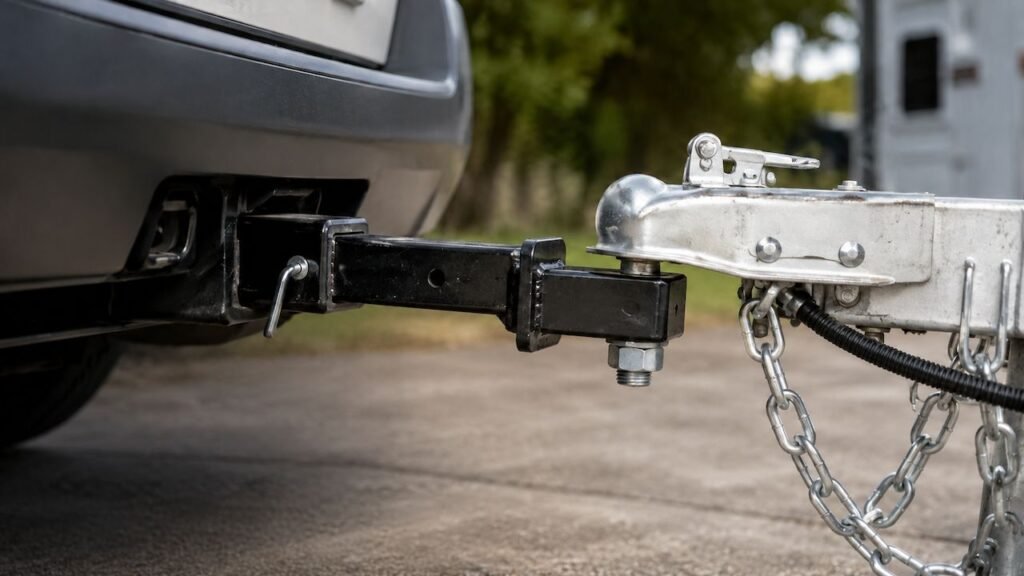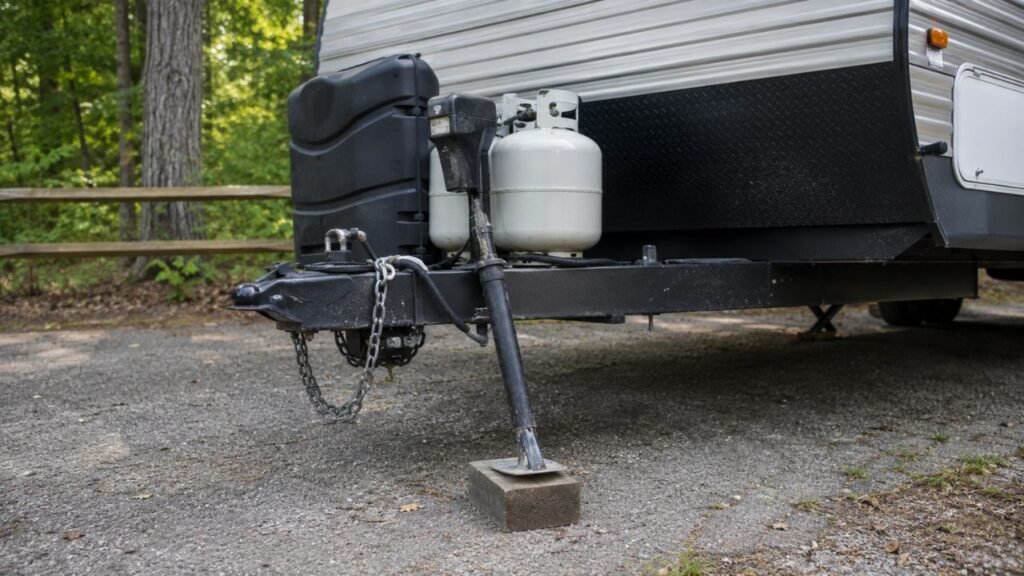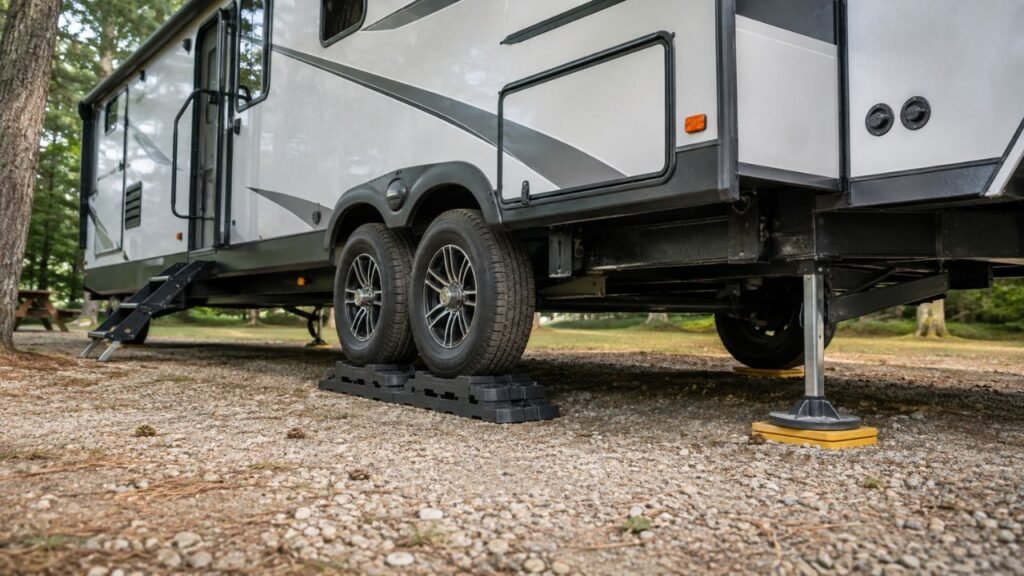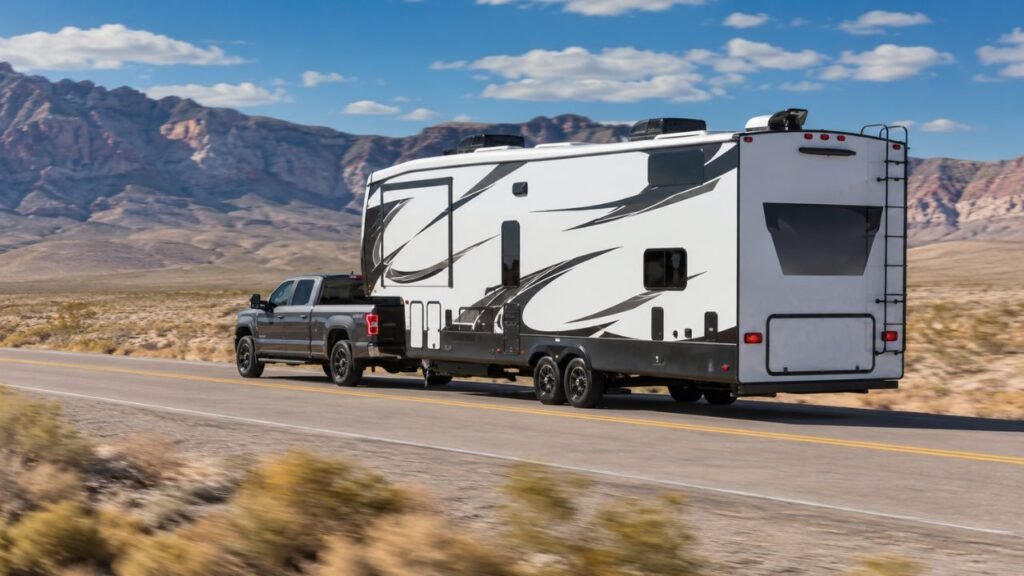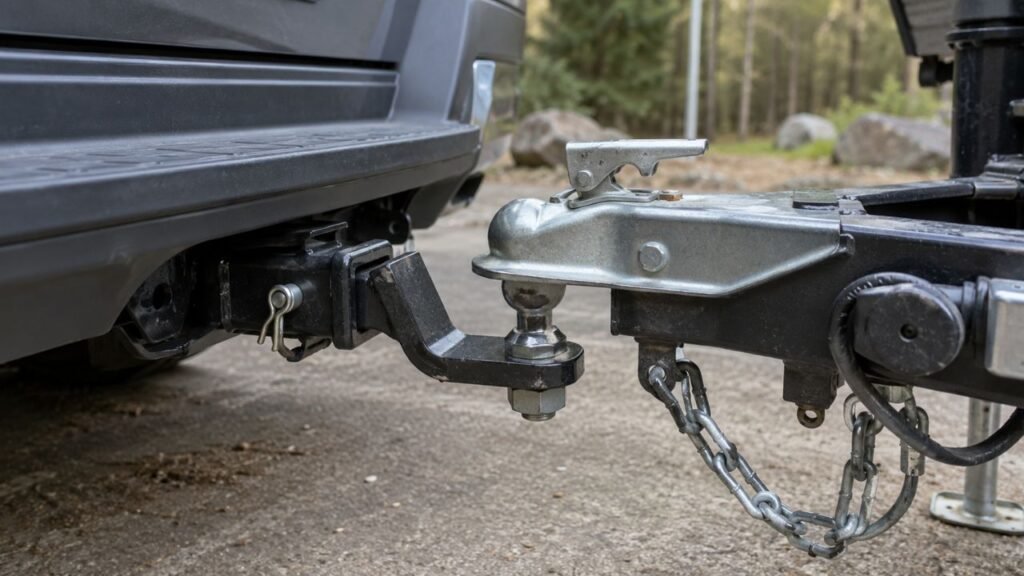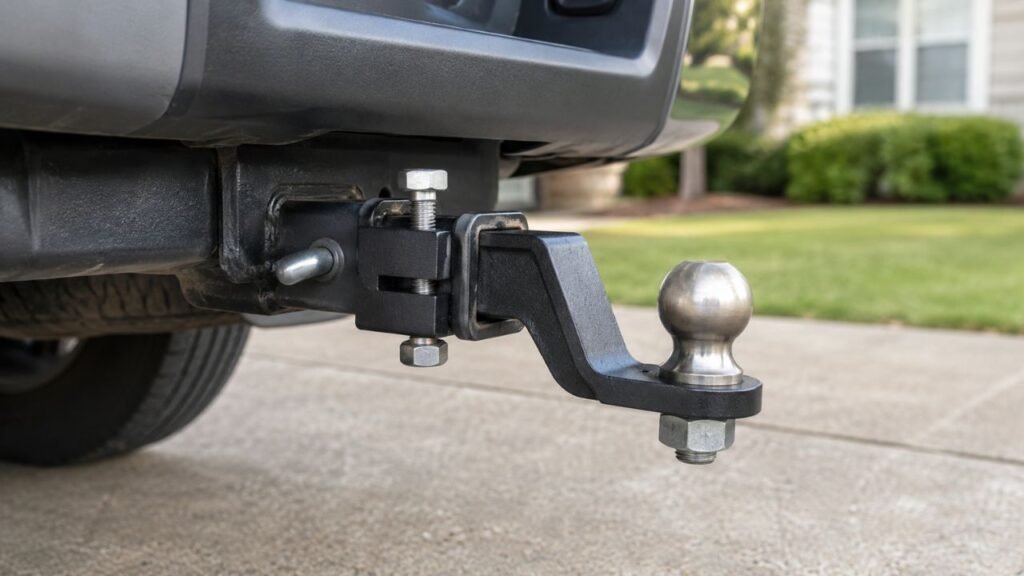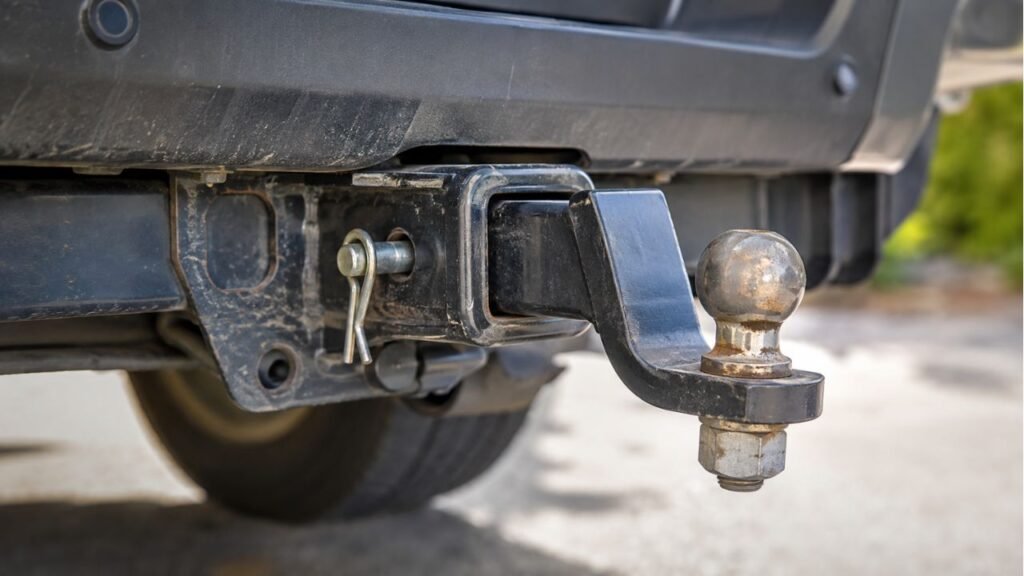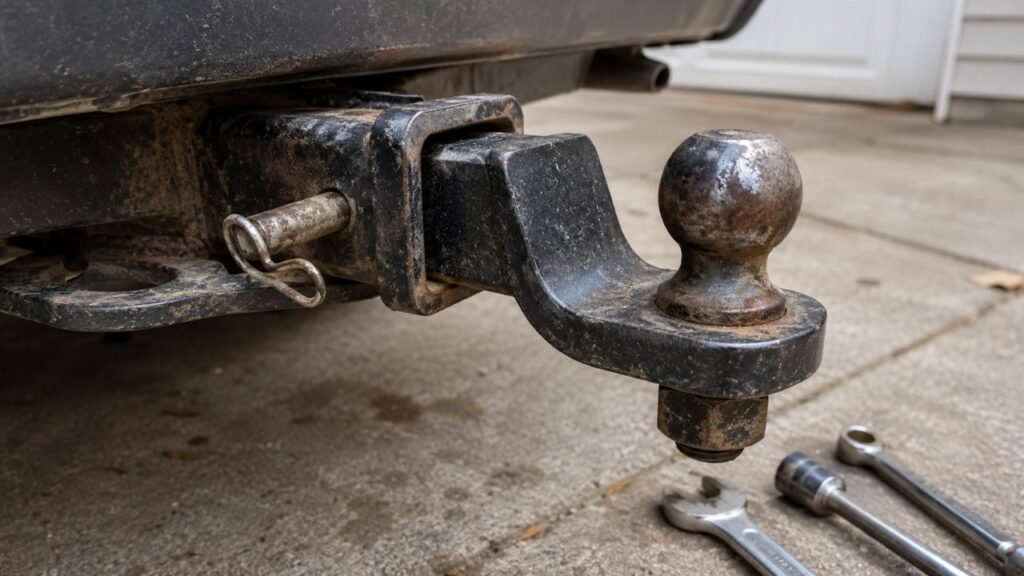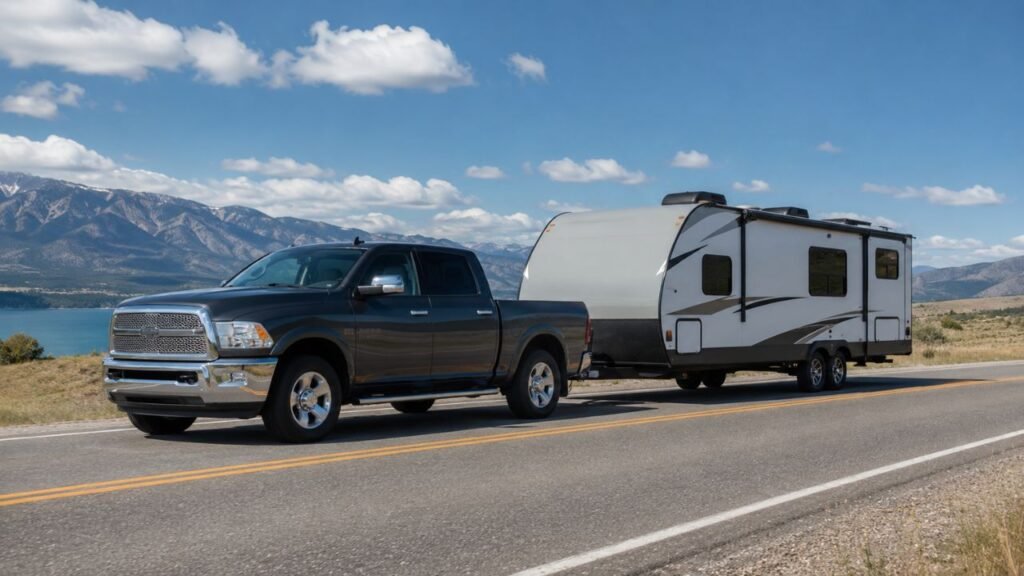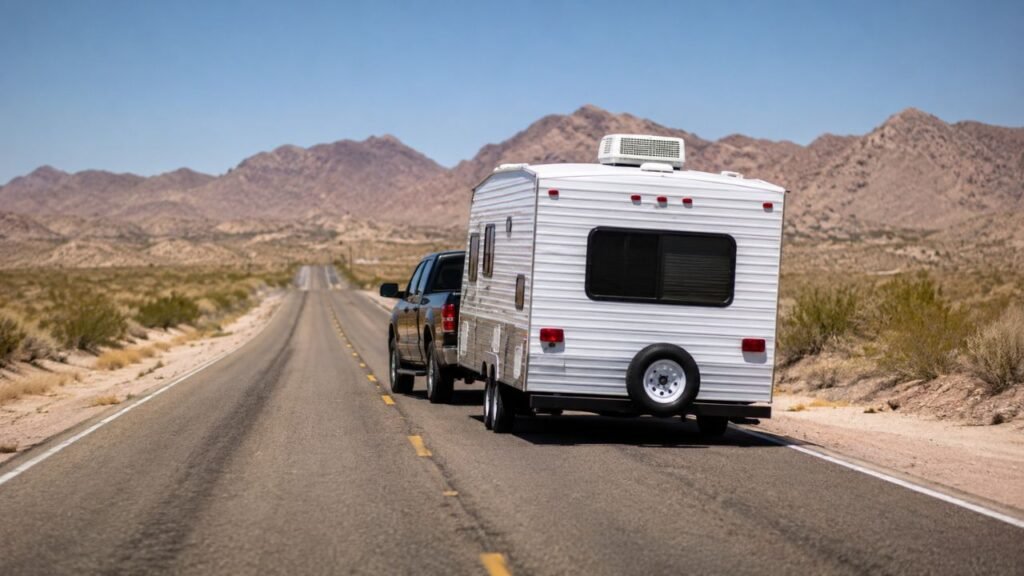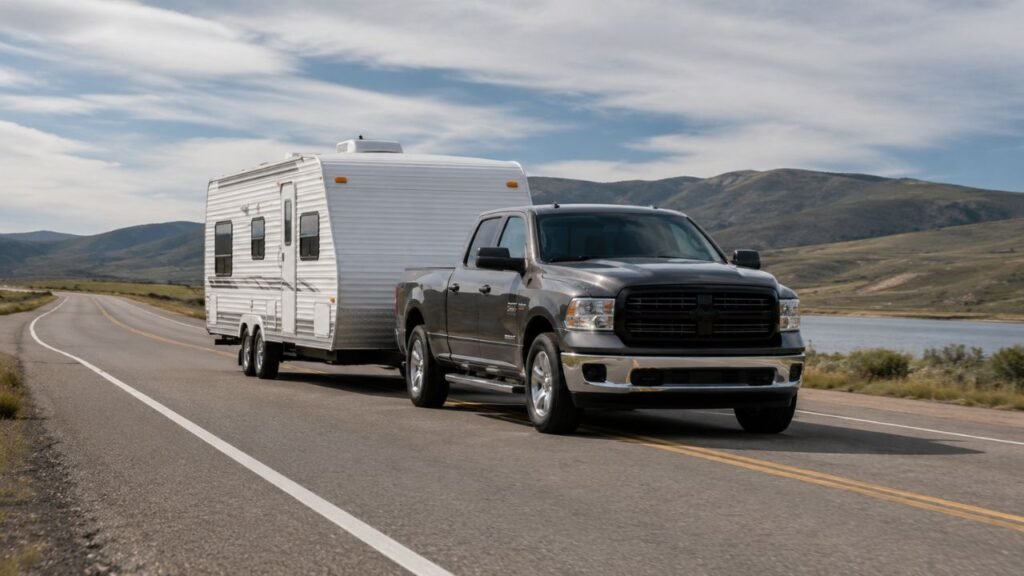
A trailer usually feels unstable because its weight is poorly distributed, tongue weight is too low, tires are incorrect, or the towing setup needs adjustment. Excessive speed, strong wind, worn suspension parts, and weak trailer brakes can make the movement worse.
In this guide, I will help you identify the movement you feel, locate the likely cause, and make practical corrections. You will also learn what to do if dangerous trailer sway begins while driving.
Key Takeaways
- Low tongue weight is one of the leading causes of trailer sway.
- Heavy cargo behind the axles can create a dangerous pendulum effect.
- Incorrect tire pressure can make both vehicles track poorly.
- Excessive speed can turn minor movement into severe fishtailing.
- A weight-distribution hitch cannot correct an overloaded trailer.
- Sway-control equipment should support a safe setup, not replace one.
- Sudden instability can signal tire, wheel, suspension, or hitch damage.
- Stop towing when movement becomes severe or repeatedly returns.
What Does an Unstable Trailer Feel Like?
Trailer instability does not always feel like obvious side-to-side sway. The type of movement you notice can help identify the underlying problem.
Side-to-Side Sway or Fishtailing
Trailer sway happens when the trailer repeatedly moves left and right. It may begin as a small wiggle behind the tow vehicle.
Without correction, each movement can become wider and more forceful. Severe sway may eventually pull the tow vehicle out of its lane.
This movement often points toward low tongue weight, excessive speed, or rear-heavy loading. Crosswinds and passing trucks can also trigger it.
Wandering or Poor Tracking
A wandering trailer struggles to follow a straight path. You may feel the tow vehicle constantly requiring small steering corrections.
Wandering can come from tire pressure differences, axle misalignment, loose hitch components, or an unbalanced load.
It can also happen when the tow vehicle’s front axle becomes too lightly loaded. This often occurs when excessive hitch weight pushes the vehicle’s rear downward.
Bouncing or Porpoising
Porpoising is an up-and-down movement between the tow vehicle and trailer. It often feels like both vehicles are rocking in opposite directions.
This movement may come from incorrect weight-distribution hitch adjustment, weak suspension components, poor road conditions, or excessive tongue weight.
A trailer can also bounce when cargo is poorly secured. Heavy objects may repeatedly lift and settle as the trailer moves.
Pushing the Tow Vehicle
Sometimes the trailer feels like it is steering or pushing the vehicle. This sensation often becomes more noticeable during braking or downhill travel.
Weak trailer brakes, excessive trailer weight, and incorrect brake-controller settings are common causes.
The trailer may also push the vehicle when the tow vehicle is too small. A marginal vehicle-trailer combination can feel acceptable until conditions change.
Leaning or Rolling in Turns
Excessive leaning can make the trailer feel top-heavy. It may happen during curves, lane changes, or sudden steering movements.
Cargo stored too high raises the trailer’s center of gravity. Soft tires, weak suspension, or an uneven load can increase the leaning.
Instability During Braking
A trailer that moves sideways during braking may have uneven brake adjustment. One wheel may be braking harder than the others.
Shifted cargo, a bent axle, or tire pressure differences can create similar symptoms. These issues deserve immediate attention before another highway trip.
Trailer Instability Symptoms and Likely Causes
The table below provides a useful starting point. However, several problems can create similar towing symptoms.
| What You Feel While Towing | Possible Causes | What to Check First |
| Side-to-side sway | Low tongue weight, rear-heavy cargo, excessive speed | Cargo placement, tongue weight, speed |
| Wandering on straight roads | Tire pressure differences, alignment, hitch play | Tires, axles, receiver, ball mount |
| Up-and-down bouncing | Incorrect hitch adjustment, weak suspension | Spring bars, shocks, trailer attitude |
| Trailer pushes during braking | Weak brakes, overload, low controller gain | Trailer brakes, controller, loaded weight |
| Movement near passing trucks | Crosswind pressure, high speed, marginal balance | Speed, tongue weight, sway control |
| Excessive leaning in turns | High cargo, uneven loading, soft tires | Cargo height, tire pressure, suspension |
| Sudden new instability | Tire damage, loose wheel, shifted cargo | Stop and inspect immediately |
| Light or vague steering | Excessive rear squat, poor hitch setup | Front axle loading, hitch adjustment |
| Pulling toward one side | Uneven brakes, tire issues, axle alignment | Brakes, tires, suspension |
What Should You Do When Trailer Sway Starts?
Trailer sway can become dangerous very quickly. Your goal is to reduce speed smoothly without adding sudden steering or braking forces.
- Hold the steering wheel firmly and keep it straight.
- Take your foot off the accelerator gradually.
- Avoid making sudden steering corrections.
- Do not slam the tow vehicle’s brakes.
- Manually apply the trailer brakes if safely equipped.
- Allow the entire combination to slow naturally.
- Move off the roadway once conditions become stable.
- Inspect the trailer before returning to highway speed.
Do not accelerate to “pull the trailer straight.” Adding speed feeds more energy into the movement.
Avoid trying to fight every swing with the steering wheel. Overcorrection can make the trailer move even farther in the opposite direction.
Manual trailer braking can help pull the trailer back into line. However, you should know how your brake controller works before an emergency occurs.
Once the sway stops, find a safe place to pull over. Check cargo, tires, hitch components, brakes, and suspension before continuing.
The Most Common Reasons a Trailer Feels Unstable
Trailer instability usually develops from loading, speed, equipment condition, or vehicle compatibility. More than one problem may be present at the same time.
Too Little Tongue Weight
Tongue weight is the downward force placed on the hitch ball. This force helps keep the trailer tracking behind the tow vehicle.
When tongue weight is too low, the trailer’s rear can move too freely. The result is often side-to-side sway at higher speeds.
Many conventional bumper-pull trailers need approximately 10% to 15% of their loaded weight on the tongue. Always follow the trailer manufacturer’s specific requirements.
A trailer weighing 6,000 pounds may need roughly 600 to 900 pounds of tongue weight. However, this entire weight also counts against the tow vehicle’s payload.
Too Much Weight Behind the Trailer Axles
Heavy cargo placed near the rear creates a pendulum effect. The trailer’s tail begins swinging around the axle area.
Each swing can become stronger as speed increases. A passing truck or sudden wind gust may be enough to start the movement.
Rear-mounted generators, toolboxes, motorcycles, spare tires, and cargo racks can significantly reduce tongue weight.
Moving heavy objects slightly forward can create a major improvement. However, you must still remain within all axle and hitch limits.
Uneven Side-to-Side Loading
A trailer can have acceptable tongue weight and still feel unstable. Excessive weight on one side may cause leaning, pulling, or uneven tire loading.
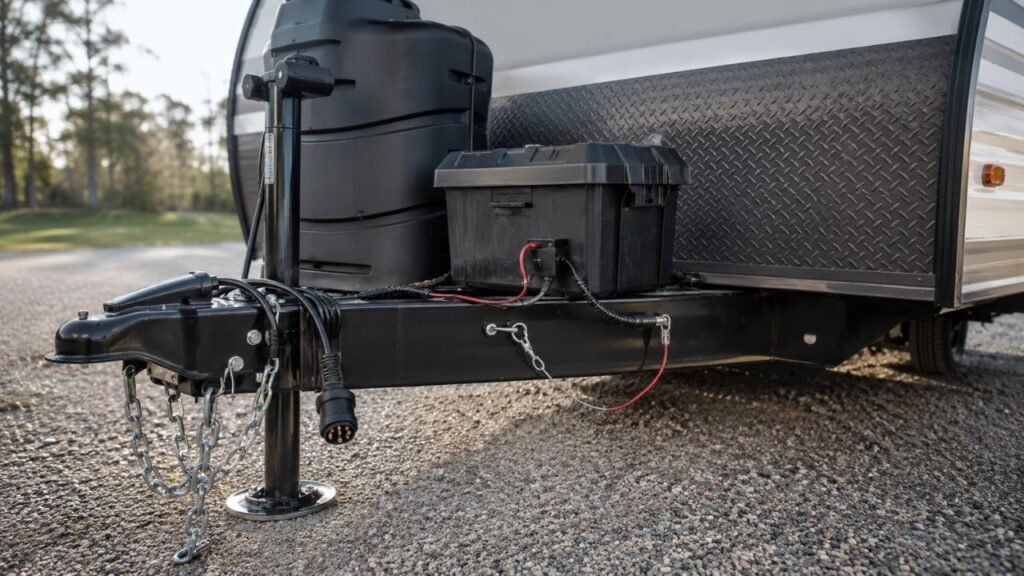
Common sources include water tanks, batteries, kitchen appliances, storage compartments, and slide-out rooms.
Try to balance portable cargo across the trailer floor. Avoid placing every heavy item inside the same storage compartment.
Cargo Placed Too High
Heavy objects stored in overhead cabinets raise the center of gravity. This makes the trailer lean more during turns and emergency maneuvers.
Store tools, bottled water, canned food, and other dense items near floor level.
Keeping cargo low will not eliminate sway by itself. However, it can noticeably reduce body roll and tipping forces.
Excessive Towing Speed
Higher speed magnifies almost every towing problem. Small movements happen faster and carry more energy.
A trailer may feel stable at 45 mph but begin wandering at 60 mph. That change is a warning, not permission to continue at the lower speed forever.
Reduce speed when wind, rain, road damage, or heavy traffic appears. You should also remain within the limits of your tires and towing equipment.
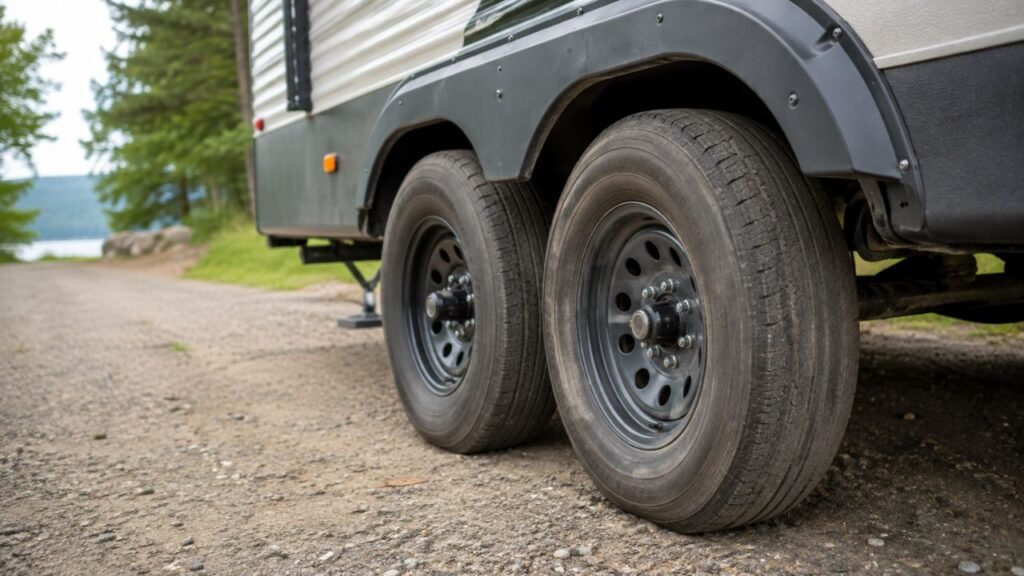
Incorrect Trailer Tire Pressure
Underinflated tires flex more and generate additional heat. Their softer sidewalls can make the trailer respond slowly or wander.
Uneven pressure creates different handling behavior on each side. A small pressure difference can become more noticeable under heavy loads.
Check tire pressure when the tires are cold. Use the trailer manufacturer’s label, tire data, and load requirements.
Do not automatically inflate every tire using a random maximum pressure. The correct pressure must support the actual load safely.
Worn, Damaged, or Mismatched Tires
Trailer tires live a difficult life. They carry heavy loads, sit unused, and experience tight turns.
A tire may look acceptable while developing internal damage. Bulges, cracks, separation, or unusual tread wear require immediate attention.
Using mismatched sizes or load ranges can also affect tracking. All tires on the same axle should be properly matched.
Tire age matters even when tread remains visible. Inspect the manufacturing date and follow suitable replacement guidance.
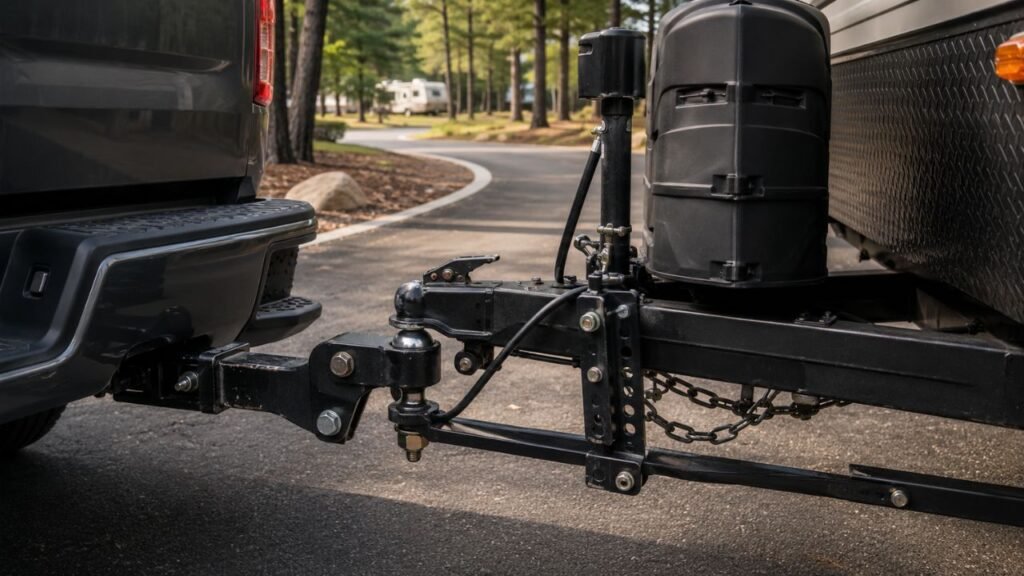
An Incorrect or Poorly Adjusted Hitch
A poorly configured hitch can make a good trailer behave badly. The ball mount must place the trailer at the correct height.
The hitch ball must match the coupler size exactly. The coupler must also close and lock securely.
Loose receiver movement can create clunks and delayed trailer response. Excessive play should be inspected rather than ignored.
Check every adjustable bolt, spring-bar bracket, hitch pin, and mounting point. Follow the equipment manufacturer’s torque specifications.
The Trailer Is Not Towing Level
A trailer should generally follow the attitude recommended by its manufacturer. A severely nose-high or nose-low position changes axle loading.
A nose-high trailer may place additional weight on the rear axle. It may also reduce stability and braking balance.
A nose-low trailer can overload the front axle or tongue. It may also increase tow vehicle squat.
Adjusting ball height may correct the trailer’s attitude. Weight distribution and hitch height may require separate adjustments.
The Tow Vehicle Is Squatting
Rear squat occurs when tongue weight pushes the vehicle’s rear suspension downward. This can reduce weight on the front axle.
The steering may feel lighter, slower, or less precise. Headlights may also point unusually high.
A properly selected weight-distribution hitch may restore suitable axle loading. However, it must be adjusted according to manufacturer instructions.
Airbags or helper springs can raise the vehicle’s rear. They do not automatically restore front-axle weight or increase legal ratings.
The Tow Vehicle Is Too Small
Published towing capacity does not tell the complete story. Payload, axle ratings, tire limits, wheelbase, and frontal area also matter.
A vehicle can remain below its advertised towing limit while exceeding payload. This happens often after passengers and cargo are included.
Shorter or lighter tow vehicles may feel more affected by large trailers. Tall trailers also create considerable aerodynamic pressure.
Sometimes accessories cannot make a poor combination stable. A larger or more suitable tow vehicle may be the correct solution.
Weak or Uneven Trailer Brakes
Trailer brakes help control the trailer during normal and emergency stopping. Weak brakes allow the trailer to push against the tow vehicle.
Unevenly adjusted brakes may pull the trailer toward one side. A failing magnet, wiring problem, or contaminated drum can cause this.
Test the brakes before a long trip. Adjust the brake controller for the current loaded condition.
Too little gain provides weak trailer braking. Too much gain can cause wheel lockup and unstable stopping.
Worn Suspension or Wheel Components
Worn suspension parts allow the trailer axles to move incorrectly. This can create wandering, leaning, and irregular tire wear.
Inspect leaf springs, shackles, bushings, equalizers, U-bolts, and shock absorbers.
Wheel bearings must also remain properly adjusted and lubricated. Excessive play can change wheel tracking and generate dangerous heat.
Bent axles or damaged spring mounts require professional attention. Replacing sway-control equipment will not correct those problems.
Crosswinds and Passing Trucks
Large trucks create a strong pressure wave as they approach. The airflow can first push the trailer away.
A lower-pressure area may then pull the trailer toward the truck. Another push can happen as the truck moves ahead.
A brief movement can occur even with a safe setup. Repeated oscillation suggests that the trailer is already close to instability.
Reduce speed and leave more space around large vehicles. Hold a steady course without making sharp steering corrections.
Uneven, Grooved, or Damaged Roads
Road ruts can guide trailer tires in a different direction. Bridge joints and potholes can also upset the load suddenly.
The trailer may feel unstable only on certain road surfaces. However, severe movement still deserves investigation.
Slow down before rough sections whenever possible. Inspect the trailer afterward if you hit a major pothole.
Water or Cargo Moving During Travel
Water is heavy and can shift inside partially filled tanks. This movement may change balance during turns and braking.
Cargo that slides inside cabinets can create similar effects. Heavy objects may also move behind the axle during travel.
Secure every movable item before departure. Consider how tank locations affect tongue and axle weights.
How Much Tongue Weight Does a Stable Trailer Need?
Correct tongue weight improves tracking and helps prevent sway. It must be measured with the trailer fully loaded for travel.
Calculate Tongue Weight Percentage
Use this simple calculation:
Tongue weight percentage = Tongue weight ÷ Loaded trailer weight × 100
For example:
- Loaded trailer weight: 6,000 pounds
- Measured tongue weight: 720 pounds
- Tongue weight percentage: 12%
A 12% reading usually falls within the common range for conventional trailers. Your trailer manufacturer may specify a different requirement.
Measure the Trailer After Loading
Empty trailer numbers are not enough for accurate setup. Propane, batteries, water, food, tools, and camping equipment change the final weight.
Rear-mounted equipment can reduce tongue weight significantly. Front storage can increase it just as quickly.
Measure the trailer in the same condition used for travel. Include normal supplies and passengers inside the tow vehicle.
Include Tongue Weight in Vehicle Payload
The tow vehicle must carry the tongue weight. It also carries passengers, luggage, accessories, and hitch equipment.
Suppose the vehicle has 1,500 pounds of payload capacity. An 800-pound tongue weight leaves only 700 pounds for everything else.
A weight-distribution hitch does not erase this load. It redistributes forces but does not increase the vehicle’s ratings.
Avoid Overloading the Front of the Trailer
Moving cargo forward can improve low tongue weight. However, too much forward weight creates other problems.
Excessive tongue weight can overload the hitch, receiver, rear axle, or tires. It can also reduce front-axle traction.
Move cargo carefully and measure again. Never use cargo placement to exceed a component’s rating.
How Should You Load a Trailer for Better Stability?
Good loading keeps the trailer balanced without exceeding any rating. Use measured weights instead of relying only on appearance.
- Place heavy cargo low and near the axle area.
- Keep enough weight forward for suitable tongue weight.
- Avoid storing dense cargo against the rear wall.
- Balance portable cargo evenly from side to side.
- Secure tools, appliances, and furniture before departure.
- Include water, propane, batteries, and generators in calculations.
- Be cautious with heavy rear bumper accessories.
- Recheck the load after the first travel stop.
- Confirm the trailer remains within axle and tire limits.
- Measure tongue weight whenever major cargo changes.
You may hear that 60% of cargo must sit forward. That can be a useful starting point, but it is not a universal rule.
The final goal is proper measured tongue weight. You must also follow the trailer manufacturer’s loading instructions.
How to Check Whether Your Trailer and Tow Vehicle Are Properly Matched
A towing combination must meet more than one weight rating. Checking only advertised towing capacity can leave serious limits unnoticed.
Confirm the Loaded Trailer Weight
Find the trailer’s actual loaded weight at a suitable vehicle scale. Do not rely only on dry or shipping weight.
The loaded weight includes water, propane, batteries, cargo, accessories, and personal belongings.
Compare the measured total with the trailer’s gross vehicle weight rating. It must also remain within the tow vehicle’s rating.
Check the Tow Vehicle’s Payload Capacity
Payload includes everything added to the empty vehicle. This includes passengers, luggage, tools, accessories, hitch hardware, and tongue weight.
Look for the payload information on the vehicle label. Then calculate how much capacity remains after loading.
Check Rear Axle and Tire Ratings
The rear axle carries much of the towing load. Its rating may become the limiting factor before towing capacity.
The tires must also support the loaded axle weight. Replacement tires should meet appropriate size and load requirements.
Confirm Hitch and Receiver Ratings
Check the rating for the receiver, ball mount, hitch ball, coupler, spring bars, and mounting hardware.
Some receivers have separate limits for carrying weight and weight distribution.
The lowest-rated component determines the usable limit. Upgrading one part does not increase the ratings of everything else.
Review Wheelbase and Frontal-Area Limits
A long wheelbase usually provides better leverage against trailer movement. However, wheelbase alone cannot guarantee stability.
Tall trailers create significant wind resistance. Some vehicle manufacturers publish frontal-area restrictions for this reason.
Measure the Combination at a Vehicle Scale
A proper scale visit can show:
- Front tow vehicle axle weight
- Rear tow vehicle axle weight
- Trailer axle weight
- Combined towing weight
- Loaded trailer weight
- Changes created by weight distribution
These measurements reveal issues that visual inspection may miss.
Can an Incorrect Weight-Distribution Hitch Cause Instability?
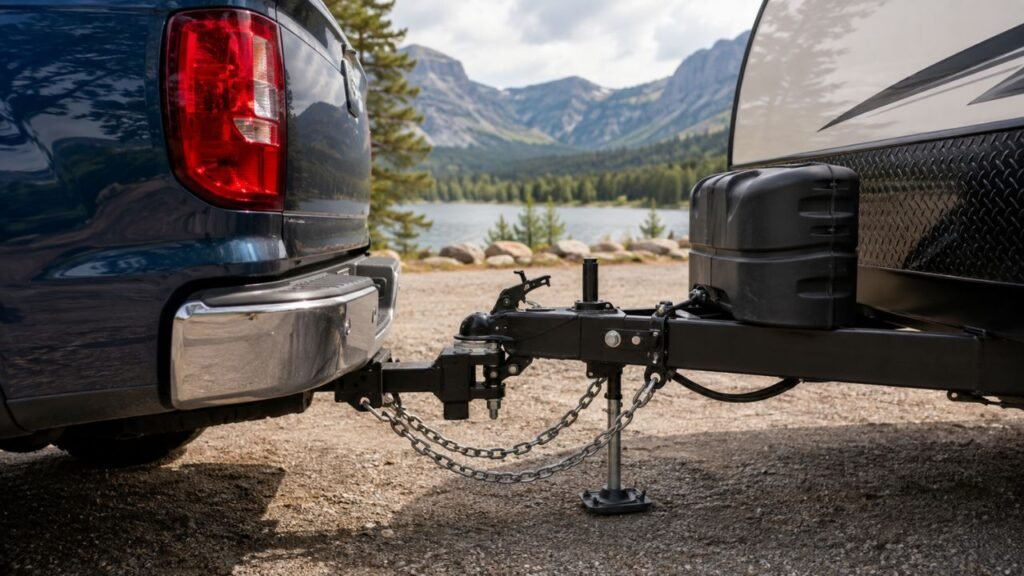
A weight-distribution hitch can improve steering and braking balance. Poor selection or adjustment can also create uncomfortable handling.
Spring Bars Are Too Light
Underrated spring bars may not transfer enough force toward the front axle. The tow vehicle can remain heavily squatted.
Select bars for the actual loaded tongue weight. Remember to include cargo carried behind the vehicle’s rear axle.
Spring Bars Are Too Stiff
Oversized spring bars can create a harsh, rigid connection. The setup may react poorly over bumps and uneven entrances.
The correct bars should match the actual tongue weight range. Bigger is not always safer.
Too Much or Too Little Weight Is Transferred
Too little distribution leaves the front axle lightly loaded. Steering and braking may feel vague.
Too much adjustment may overload the front axle or change handling unexpectedly.
Follow the tow vehicle and hitch manufacturers’ measurement procedures. Do not adjust spring bars only by appearance.
The Hitch Head Angle Is Incorrect
Hitch head angle changes the leverage applied by the spring bars. Incorrect adjustment can reduce or increase weight transfer.
Bracket position and chain tension can create similar effects. Use the instructions for your exact hitch system.
The Trailer Is Still Not Level
Weight distribution does not automatically correct ball height. The trailer may still tow nose-high after spring-bar adjustment.
Set the trailer attitude and weight distribution carefully. Recheck measurements after every major adjustment.
The Hitch Is Hiding an Overload
A weight-distribution hitch cannot increase payload, axle capacity, tire capacity, or towing capacity.
It can make an overloaded setup look more level. That does not make the combination safe.
Always confirm actual weights before relying on suspension or hitch accessories.
Will Sway Control Fix an Unstable Trailer?
Sway-control equipment can reduce unwanted movement. It should only be installed after correcting loading, tire, hitch, and mechanical problems.
Friction Sway Control
A friction unit resists sideways movement between the trailer and tow vehicle. It can dampen minor sway before it grows.
These devices require correct installation and adjustment. Some designs must be handled differently during reversing or slippery conditions.
Integrated Weight Distribution and Sway Control
Some weight-distribution hitches include built-in sway resistance. They may use friction, spring-bar pressure, or hitch geometry.
These systems can provide stronger control than a basic friction bar. Proper sizing and setup remain essential.
Electronic Trailer Stability Control
Electronic systems monitor trailer movement using sensors. When serious movement is detected, the system can apply trailer braking.
This braking helps reduce speed and pull the trailer back into line. Compatibility and maintenance requirements vary by system.
Tow Vehicle Electronic Sway Control
Many modern tow vehicles include trailer sway assistance. The vehicle may reduce engine power or apply selected brakes.
This technology can help during an emergency. It does not replace correct loading or safe driving.
What Sway Control Cannot Correct
Sway-control equipment cannot safely compensate for:
- An overloaded trailer
- Insufficient tongue weight
- Damaged or worn tires
- Loose wheel bearings
- Broken suspension components
- Incorrect hitch ratings
- Unsafe towing speed
- A poorly matched tow vehicle
- Shifted or unsecured cargo
- Weak trailer brakes
Treat sway-control equipment as additional protection. Do not use it to hide an unsafe condition.
How Tires Affect Trailer Stability
Tires connect the entire towing combination to the road. Pressure, load capacity, age, and condition all affect stability.
Check Pressure When the Tires Are Cold
Check pressure before driving or after the tires have cooled. Driving creates heat and increases the reading.
Do not release pressure from a hot tire simply because the reading increased. That increase is normally expected.
Follow the Correct Inflation Guidance
Use information from the trailer label, vehicle placard, manuals, and tire manufacturer.
The correct pressure must safely support the actual load. The tow vehicle may also recommend different pressures while towing.
Inspect Tire Age and Condition
Look for cracks, bulges, cuts, exposed cords, and unusual tread wear.
A tire with visible separation should never continue traveling. Replace it before towing again.
Confirm Tire Load Capacity
Each tire must support its share of the axle weight. Overloaded tires generate excessive heat and may fail suddenly.
Do not assume that a larger-looking tire has enough capacity. Verify the load index or load range.
Check the Tow Vehicle Tires
The tow vehicle’s rear tires carry additional weight from passengers, cargo, and the trailer tongue.
Inspect pressure and condition before every towing trip. Follow the vehicle manufacturer’s towing recommendations.
Avoid Unnecessary Tire Mismatches
Mixing tire sizes, constructions, and load ranges can affect handling. Large tread differences may also influence tracking.
Use appropriately matched tires across the same axle. Replace damaged tires with compatible replacements.
Mechanical Problems That Can Make a Trailer Wander or Sway
Mechanical problems can develop gradually or appear without warning. Inspect the trailer carefully when handling changes unexpectedly.
Possible causes include:
- Loose wheel lug nuts
- Worn or loose wheel bearings
- Bent or misaligned axles
- Broken leaf springs
- Worn spring-eye bushings
- Damaged shackles or equalizers
- Loose axle U-bolts
- Failed shock absorbers
- Uneven trailer brake adjustment
- Loose hitch-ball connections
- Worn or damaged couplers
- Cracked hitch or frame components
- Excessive ball mount movement
- Incorrect wheel offset
- Uneven trailer ride height
- Damaged tow vehicle steering parts
- Weak tow vehicle suspension components
Stop immediately if a wheel looks tilted or a hub feels extremely hot. Do the same if you hear grinding, scraping, or repeated metallic impacts.
Why Does My Trailer Feel Unstable Only at Highway Speed?
Highway speed increases aerodynamic pressure and sway energy. A small loading or tire problem may become obvious only after speed rises.
Low tongue weight is especially sensitive to speed. The trailer may track normally around town but begin moving on open roads.
Soft tires, loose suspension, and axle misalignment can create similar behavior. Crosswinds and road grooves may trigger the first movement.
Reducing speed can help regain control. However, you should still locate the underlying cause before the next highway trip.
Do not assume the trailer is safe because it behaves below a certain speed. Stability should remain predictable throughout normal towing conditions.
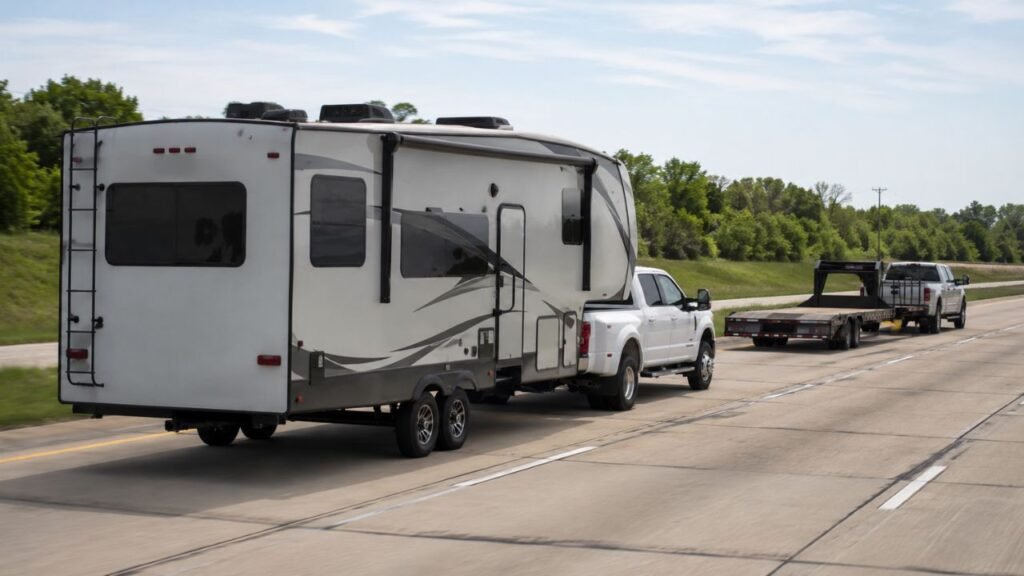
Why Does My Trailer Move When a Large Truck Passes?
A passing truck moves a large amount of air. Its pressure wave can first push your trailer sideways.
As the truck moves beside you, lower pressure may pull the trailer toward it. Another push may occur after it passes.
A small, brief movement can happen with many trailers. Strong fishtailing or repeated swings suggest a marginal setup.
Reduce speed before the truck reaches you when possible. Hold the steering wheel steadily and maintain your lane.
Avoid steering sharply away from the truck. Sudden corrections may produce a stronger movement in the opposite direction.
How to Diagnose an Unstable Trailer Step by Step
Start with simple safety checks before replacing equipment. A structured inspection helps prevent missed problems.
- Identify the movement you are feeling.
- Stop and inspect for visible tire damage.
- Check whether cargo has shifted.
- Inspect wheels, hubs, springs, and shackles.
- Check cold tire pressures.
- Confirm the coupler and hitch are locked.
- Inspect the ball mount and hitch hardware.
- Check whether the trailer appears level.
- Look for excessive tow vehicle squat.
- Measure loaded trailer and tongue weight.
- Compare all weights with component ratings.
- Test the trailer brakes and controller.
- Check axle alignment and tire wear.
- Correct the underlying problem.
- Conduct a controlled low-speed test.
Do not begin with a new sway-control accessory unless the basic setup has been verified.
How to Make a Trailer More Stable While Towing
The best correction depends on the actual cause. Start with loading and maintenance before considering expensive upgrades.
Rebalance the Load
Move suitable heavy cargo lower and closer to the axle area. Shift enough weight forward to achieve proper tongue weight.
Do not move everything to the front without measuring. Excessive tongue weight can overload the tow vehicle.
Secure Moving Cargo
Use suitable straps, tie-down points, cabinet latches, and cargo barriers.
Check the load again after the first travel stop. Items can loosen or move after several miles.
Correct the Hitch Height
Use an appropriate ball mount or adjustable hitch. The loaded trailer should follow its manufacturer’s recommended attitude.
Recheck the trailer after passengers and cargo enter the tow vehicle.
Adjust the Weight-Distribution Hitch
Follow the instructions for the exact hitch and vehicle. Measure the front and rear heights before and after adjustment.
Do not use spring-bar tension to force an overloaded vehicle level.
Correct Tire Problems
Set suitable cold pressures and repair any leaks. Replace damaged, aged, overloaded, or mismatched tires.
Also verify wheel condition and lug nut torque.
Service the Trailer Brakes
Inspect brake shoes, magnets, drums, wiring, and controller operation.
Adjust the system so trailer braking feels smooth and balanced. The trailer should not lock its wheels during normal stops.
Repair Worn Suspension Components
Replace worn bushings, shackles, springs, bearings, or shocks.
Have axle alignment checked when tire wear appears unusual. Bent axles should be repaired or replaced correctly.
Reduce Towing Speed
Slower speed reduces aerodynamic force and gives you more reaction time.
Adjust your speed for wind, rain, road condition, and traffic. Never exceed the limits of your tires or trailer.
Add Suitable Sway Control
Choose equipment that matches the trailer frame, tongue weight, hitch, and intended use.
Follow installation requirements carefully. Incorrect installation can reduce performance or damage components.
Change the Tow Vehicle When Necessary
Some vehicle-trailer combinations remain uncomfortable despite correct loading and equipment.
A heavier vehicle, longer wheelbase, or higher payload may provide better control. Do not keep adding accessories to an unsuitable tow vehicle.
When Should You Stop Towing Immediately?
Certain symptoms indicate a potentially serious defect. Continuing may lead to equipment failure or loss of control.
Stop towing when:
- Sway repeatedly returns at moderate speed.
- A tire has a bulge or visible separation.
- A tire continues losing pressure.
- A wheel or hub becomes extremely hot.
- The trailer leans noticeably toward one side.
- Hitch parts appear cracked, bent, or loose.
- The coupler does not lock securely.
- Cargo has shifted and cannot be restrained.
- A spring, shackle, or axle is damaged.
- Trailer brakes do not work correctly.
- Steering becomes unusually light after hitching.
- The setup exceeds a verified weight rating.
- Instability remains after reducing speed.
- You hear grinding or heavy metallic noises.
Arrange professional assistance when the cause cannot be identified safely.
Pre-Trip Trailer Stability Checklist
Use this checklist before leaving and after the first travel stop.
- Confirm the coupler is seated and locked.
- Check that the ball and coupler sizes match.
- Install the hitch pin and retaining clip.
- Connect the safety chains correctly.
- Attach the breakaway cable independently.
- Connect and test the electrical plug.
- Inspect weight-distribution components.
- Check trailer and vehicle tire pressures.
- Look for cracks, bulges, and tread damage.
- Verify wheel lug torque.
- Secure every heavy cargo item.
- Balance cargo from side to side.
- Confirm suitable tongue weight.
- Check loaded trailer and axle limits.
- Verify vehicle payload and axle limits.
- Test trailer brakes before entering traffic.
- Set the brake controller for the load.
- Check mirrors and rear visibility.
- Inspect lights and turn signals.
- Recheck everything after several miles.
Common Trailer Stability Mistakes to Avoid
Many instability problems begin with simple assumptions. Avoid these common towing mistakes:
- Loading heavy equipment behind the axles
- Guessing tongue weight instead of measuring it
- Ignoring side-to-side cargo balance
- Inflating every tire to an arbitrary pressure
- Assuming towing capacity is the only limit
- Using airbags to hide overloading
- Using weight distribution to exceed ratings
- Adding sway control before correcting loading
- Carrying excessive weight on the rear bumper
- Ignoring small steering or tracking changes
- Towing faster during calm weather
- Forgetting passengers when calculating payload
- Ignoring water and propane weight
- Continuing after a severe sway event
- Replacing parts without diagnosing the cause
Final Verdict
A trailer feels unstable when its weight, tires, hitch, brakes, suspension, or tow vehicle cannot keep it tracking correctly. Low tongue weight and rear-heavy loading are especially common causes.
Start by slowing down and identifying the exact movement. Then inspect the tires, cargo, hitch, brakes, suspension, and actual loaded weights.
A weight-distribution hitch or sway-control system can improve a correct setup. Neither product can make overloading, poor maintenance, or an unsuitable tow vehicle safe.
When the movement begins suddenly or feels severe, pull over. Finding the cause before continuing is always better than hoping it disappears.
Related FAQs
Is a Small Amount of Trailer Movement Normal?
A brief movement from wind, road grooves, or passing trucks can occur. Repeated swinging, constant steering correction, or growing movement is not normal and should be investigated.
Why Does My Trailer Sway Even With a Weight-Distribution Hitch?
The hitch may be incorrectly adjusted, improperly sized, or unable to correct poor loading. Low tongue weight, worn tires, excess speed, and suspension damage can still cause sway.
Can Too Much Tongue Weight Make a Trailer Unstable?
Yes. Excessive tongue weight can overload the tow vehicle’s rear axle, lighten the steering, and reduce braking control. Measure the load and remain within every component rating.
Why Does My Trailer Feel Unstable When It Is Empty?
An empty trailer may have very little tongue weight. It can also bounce more because the suspension is designed for a heavier load.
Why Does My Trailer Sway More After Adding Water?
Water changes the trailer’s weight and balance. A tank behind the axles may reduce tongue weight, while a partially filled tank can allow water movement.
Can Underinflated Trailer Tires Cause Sway?
Yes. Underinflated tires flex excessively, respond slowly, and generate heat. Uneven tire pressures can also make the trailer track differently on each side.
Can Overinflated Tires Make a Trailer Feel Unstable?
Incorrectly high pressure can reduce ride compliance and tire contact under some conditions. Use pressure guidance that matches the tire, trailer, and actual load.
Why Does My Trailer Wander on Grooved Roads?
The trailer tires may follow road grooves differently from the tow vehicle. Tire design, pressure, alignment, and axle condition can make this movement stronger.
Can a Bad Wheel Bearing Cause Trailer Sway?
A severely worn wheel bearing can allow wheel movement and poor tracking. It may also create heat, noise, uneven wear, and eventual wheel failure.
Do Airbags Help Prevent Trailer Sway?
Airbags can reduce rear squat and support the suspension. They do not correct low tongue weight, restore front-axle loading automatically, or increase vehicle ratings.
Does a Longer Tow Vehicle Reduce Trailer Sway?
A longer wheelbase can provide better leverage and stability. However, correct loading, suitable weights, good tires, and proper hitch setup remain essential.
Can I Tow Without a Sway-Control Device?
Some correctly matched trailers can be towed without separate sway control. Follow the vehicle, trailer, and hitch manufacturers’ requirements before making that decision.
What Speed Should I Drive When My Trailer Feels Unstable?
Reduce speed gradually and pull over safely. Do not continue searching for a speed where the problem disappears without inspecting the towing setup.
Should I Brake When My Trailer Starts Swaying?
Avoid sudden tow vehicle braking. Ease off the accelerator, hold the steering steady, and manually apply trailer brakes when safely equipped and appropriate.
How Do I Know Whether My Trailer Is Too Heavy for My Vehicle?
Measure the loaded trailer, tongue, vehicle axle, and combined weights. Compare each result with the vehicle, trailer, tire, axle, and hitch ratings.

Scott Miller shares real-world RV road trip insights built from years of traveling open highways and backroads. He covers route planning, campground choices, and travel gear with a practical mindset. His content is written for RVers who value reliability over trends.